Currents Performance Schedule
Fairmount Water Works
640 Waterworks Dr.
Philadelphia, PA 19130
Eugene Lew
Taji Ra’oof Nahl
Saturday, May 16, 2026 and Saturday, June 6, 2026
2:00 pm – 3:30 pm
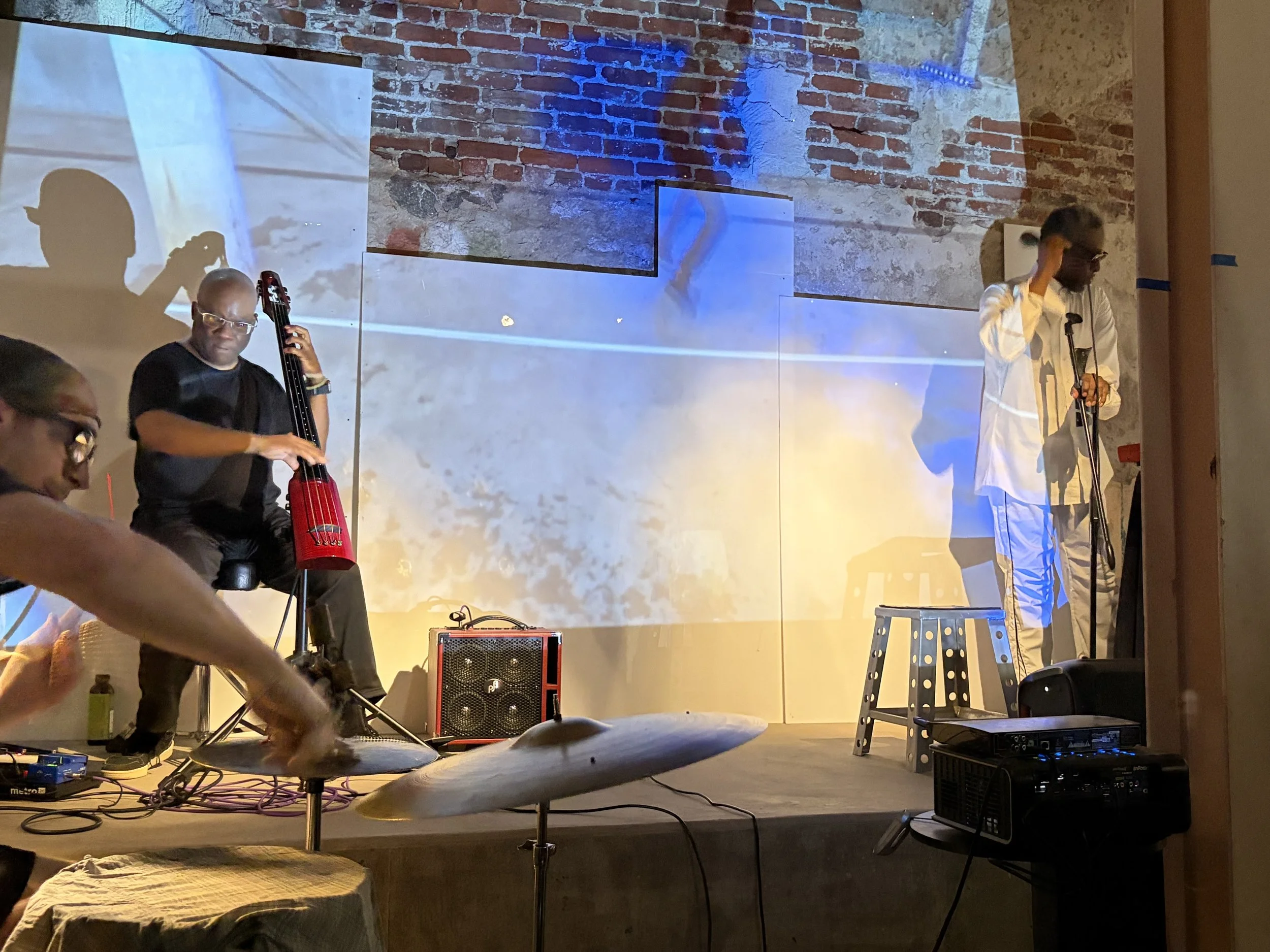
Taji Ra’oof Nahl: TR7 and The Sonic Sculpture Ensemble
Eugene Lew
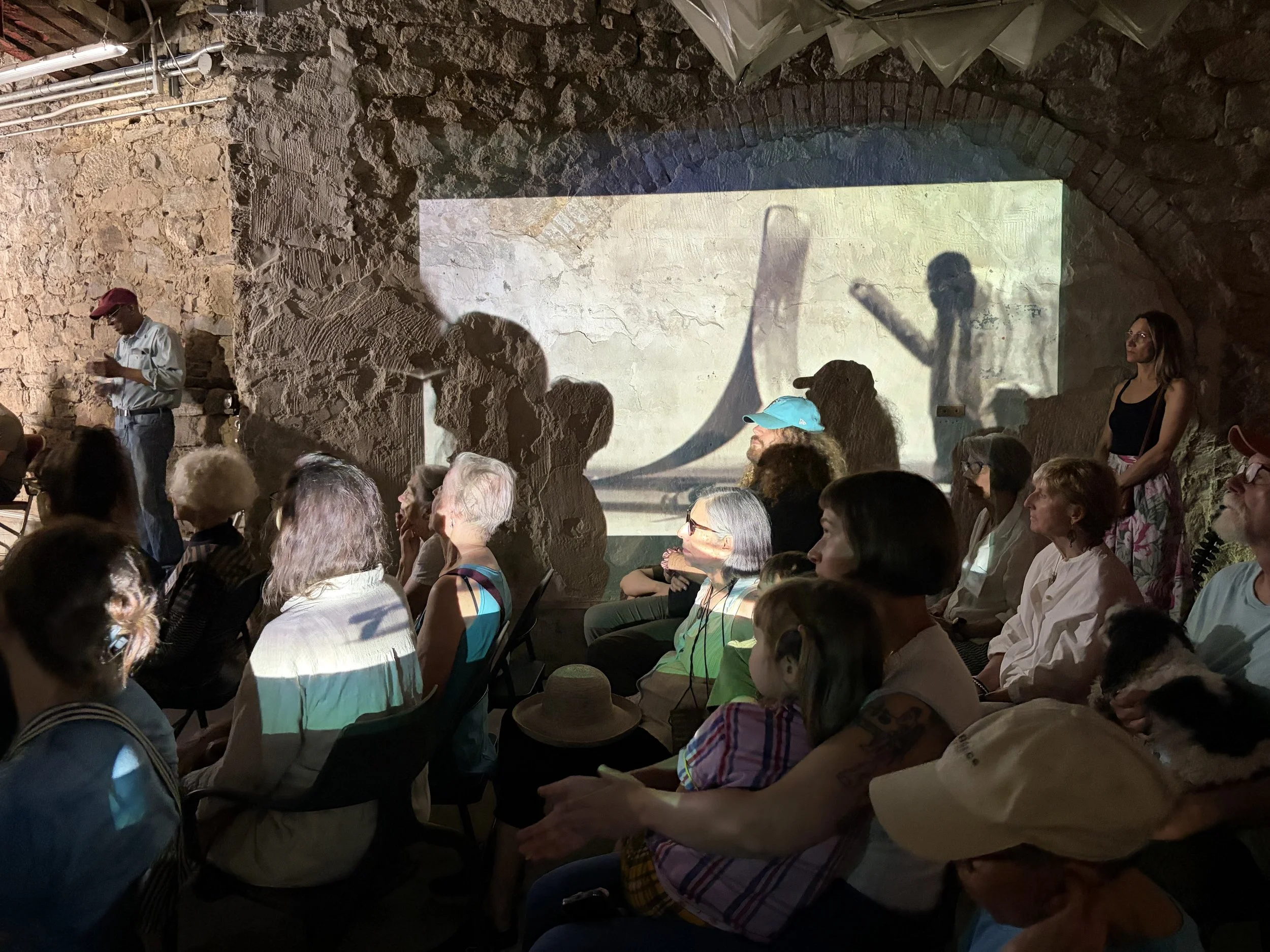
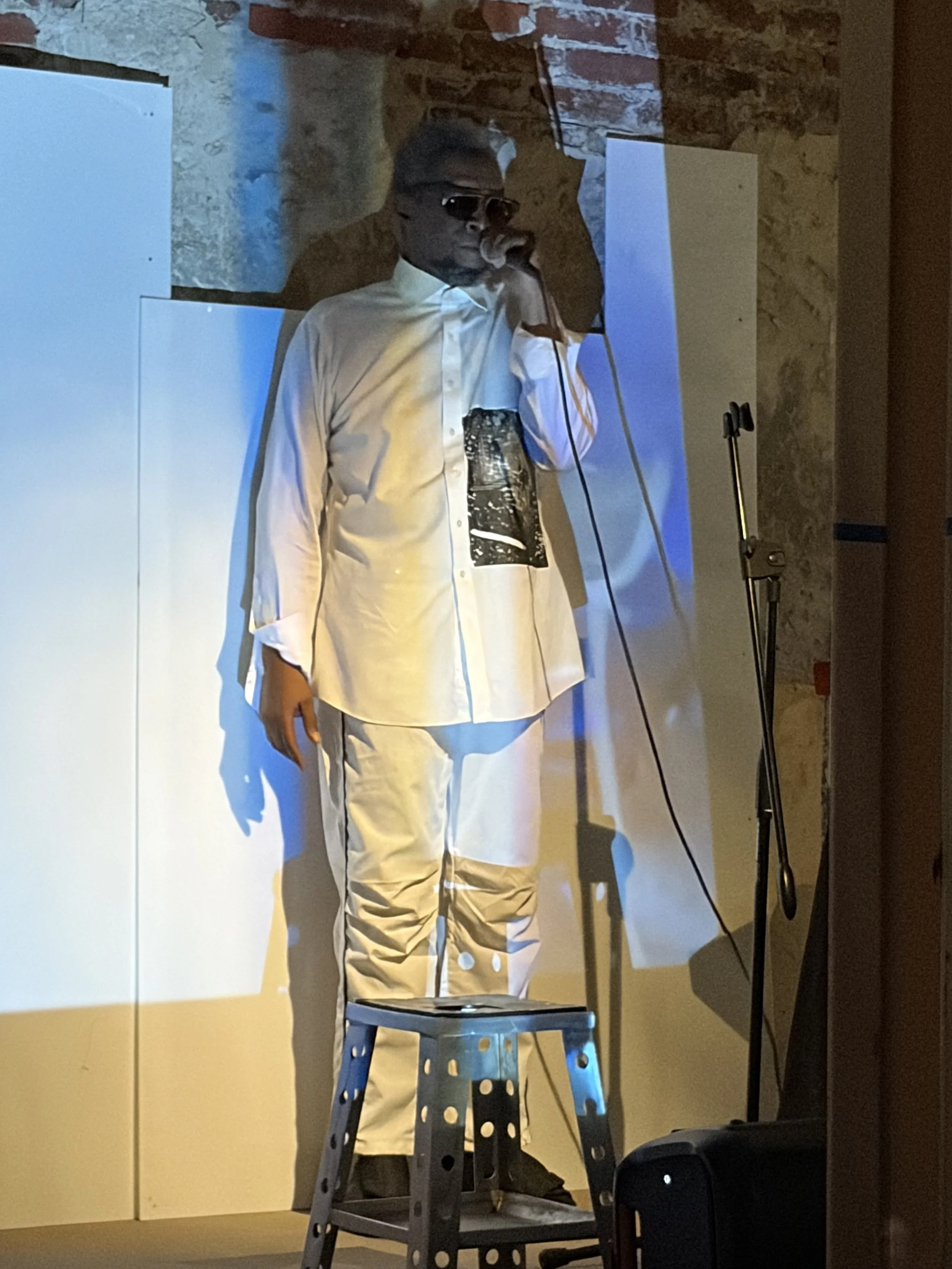
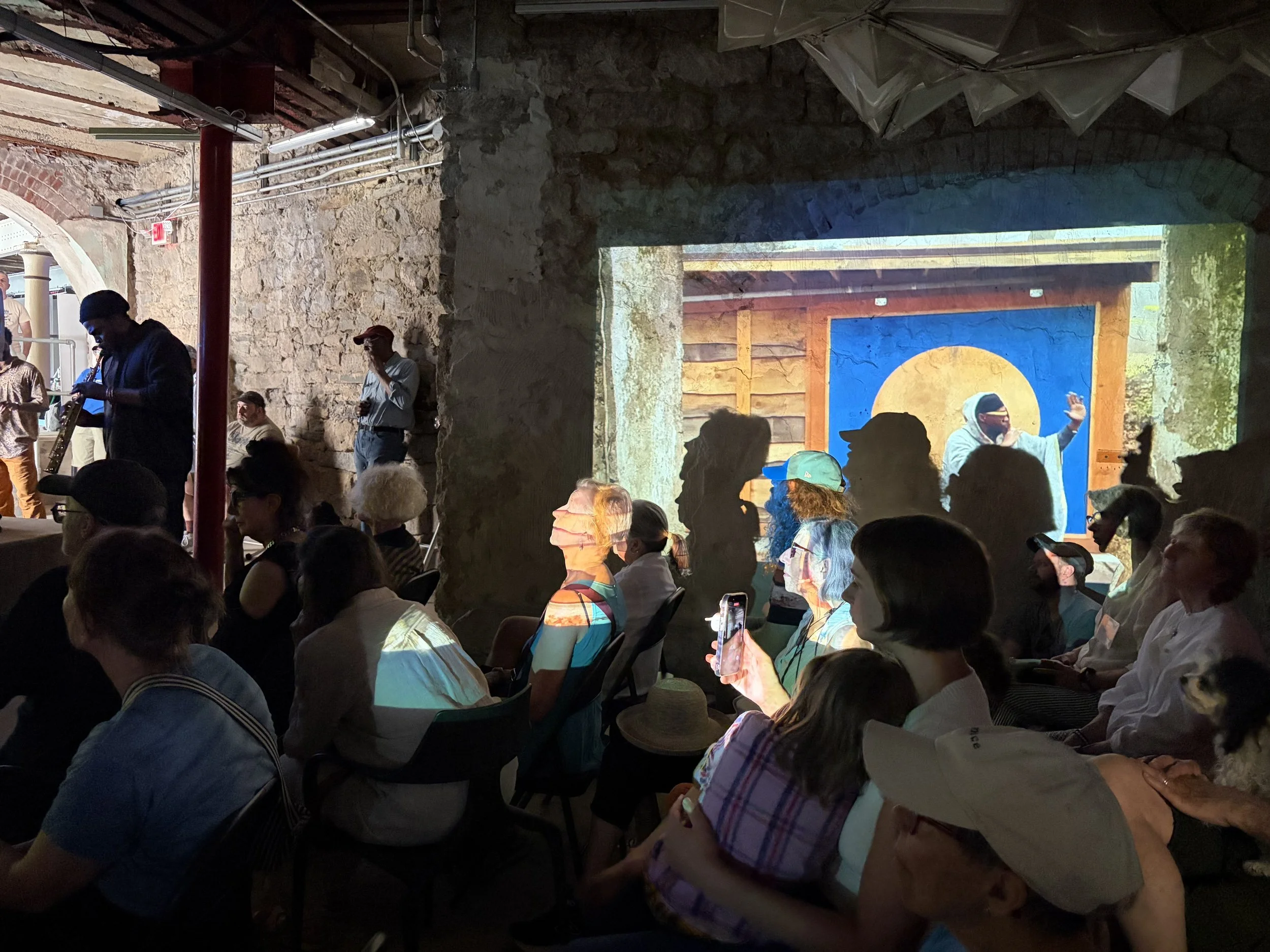
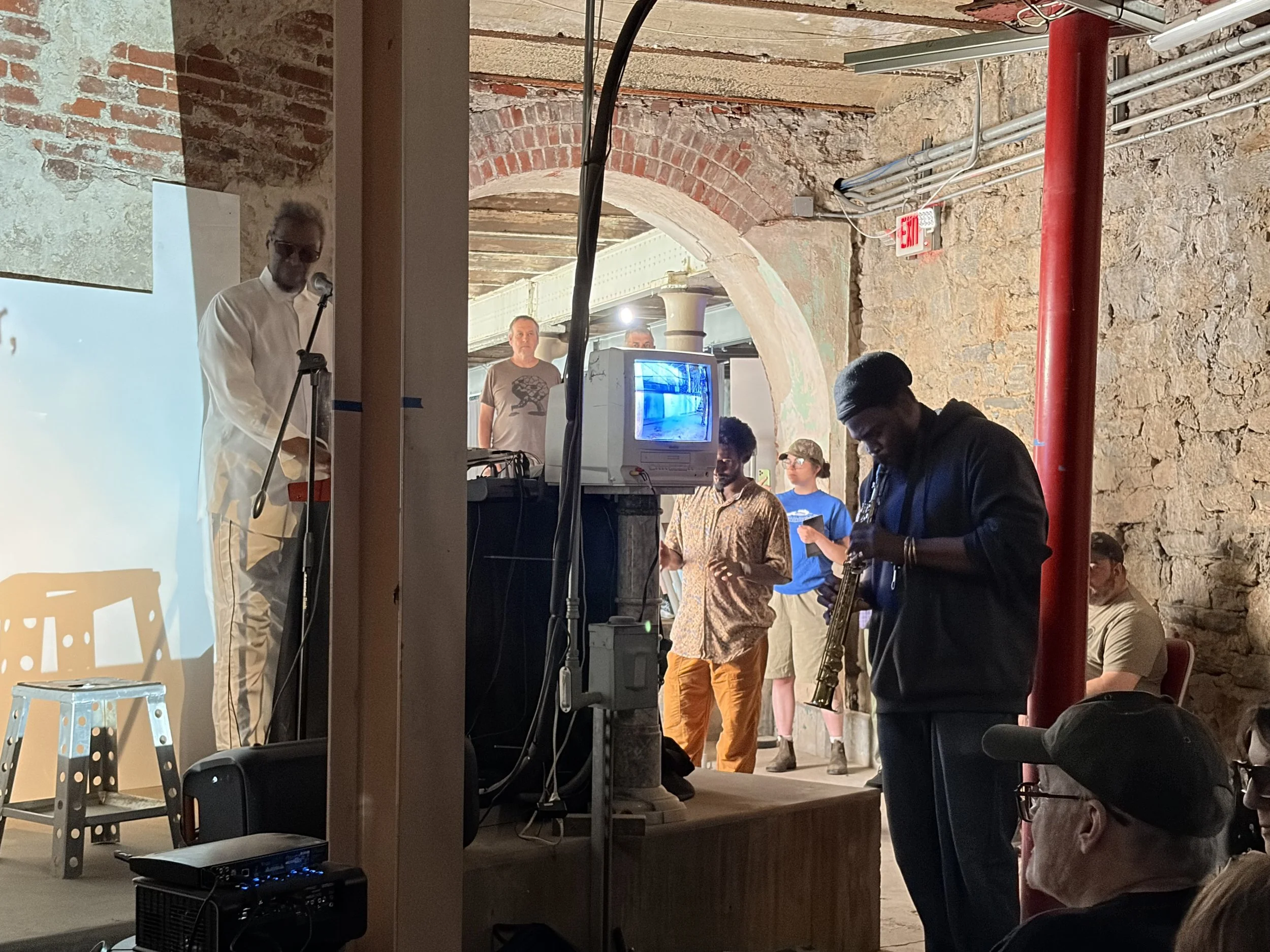
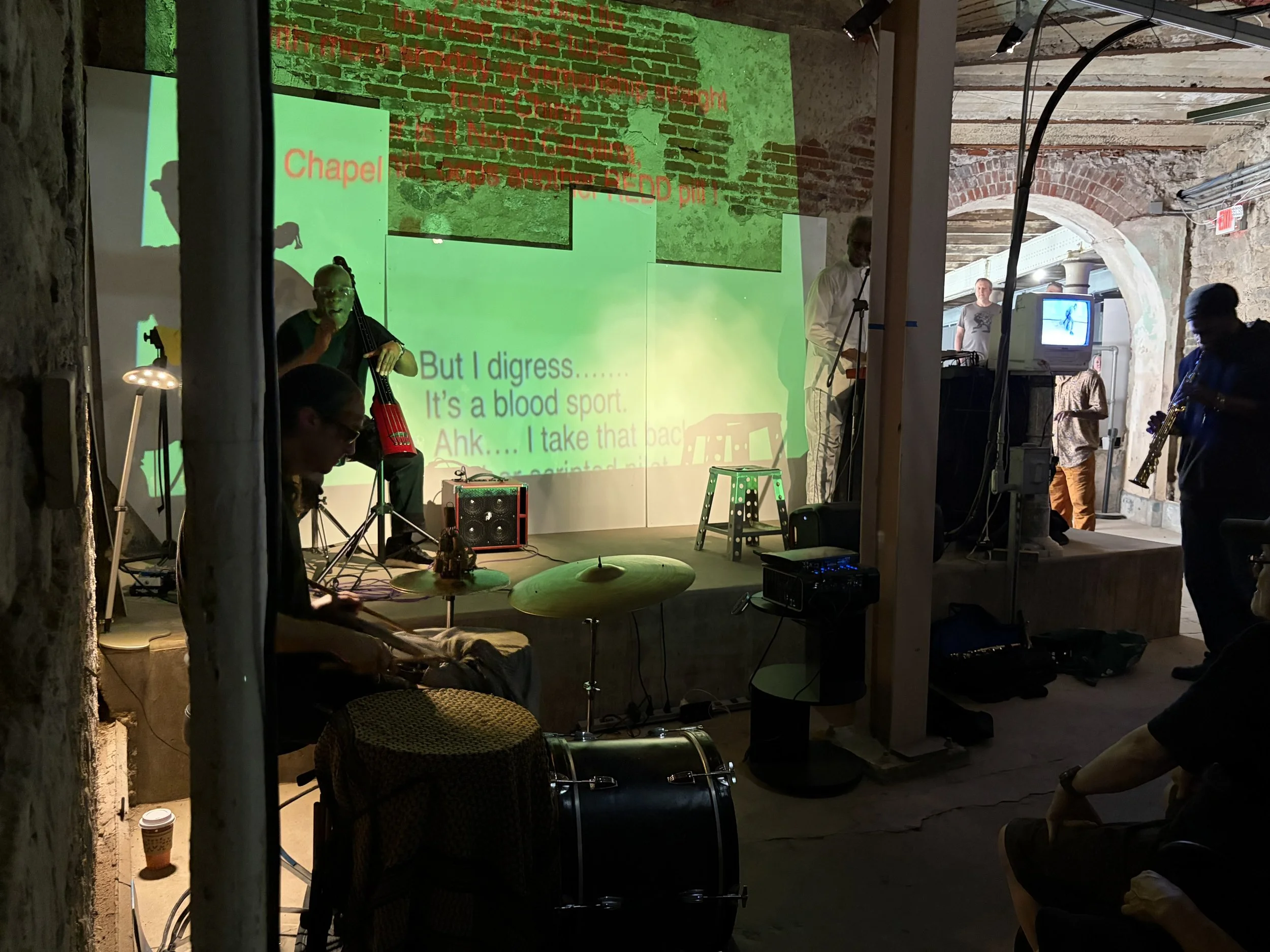
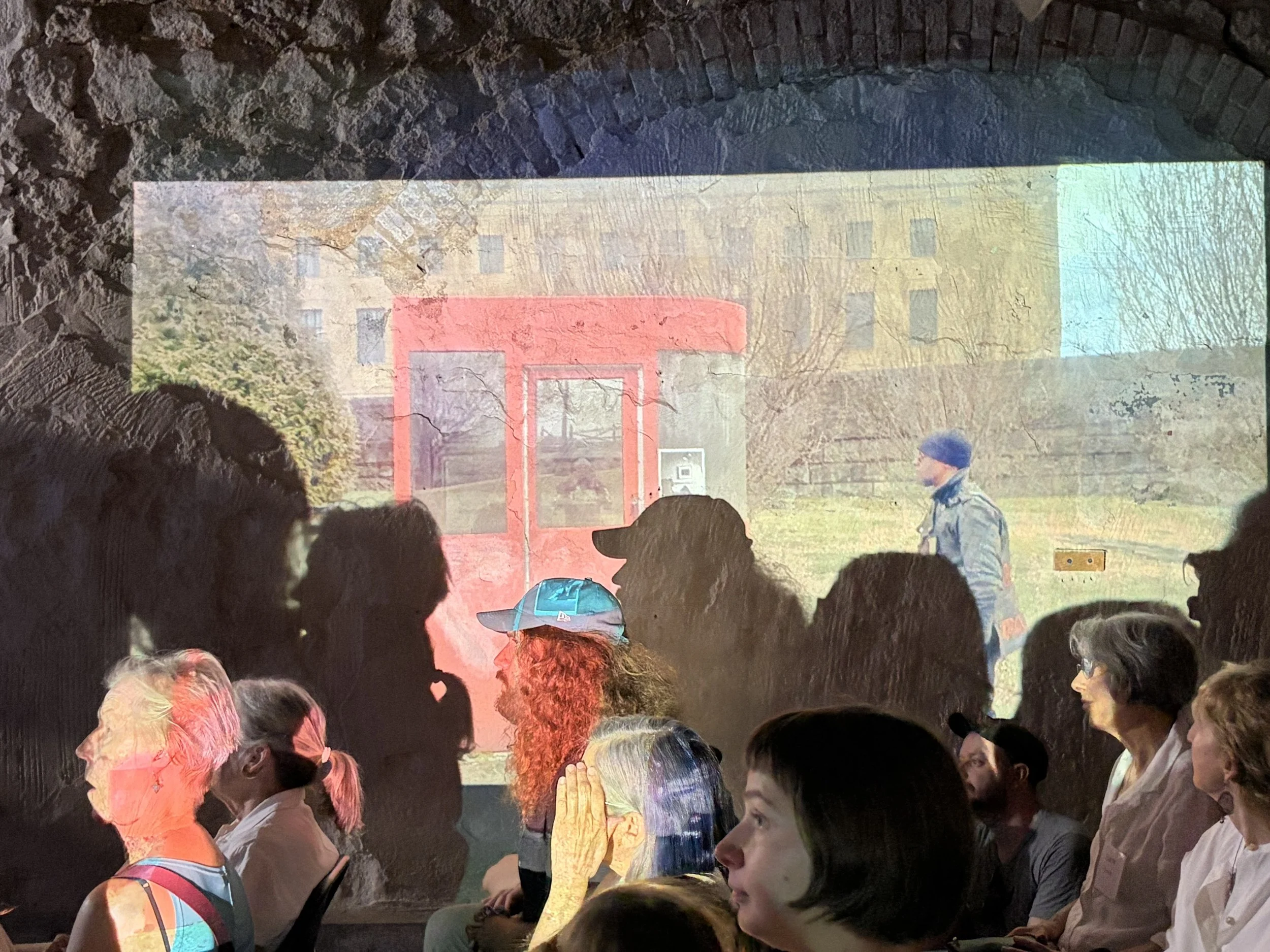
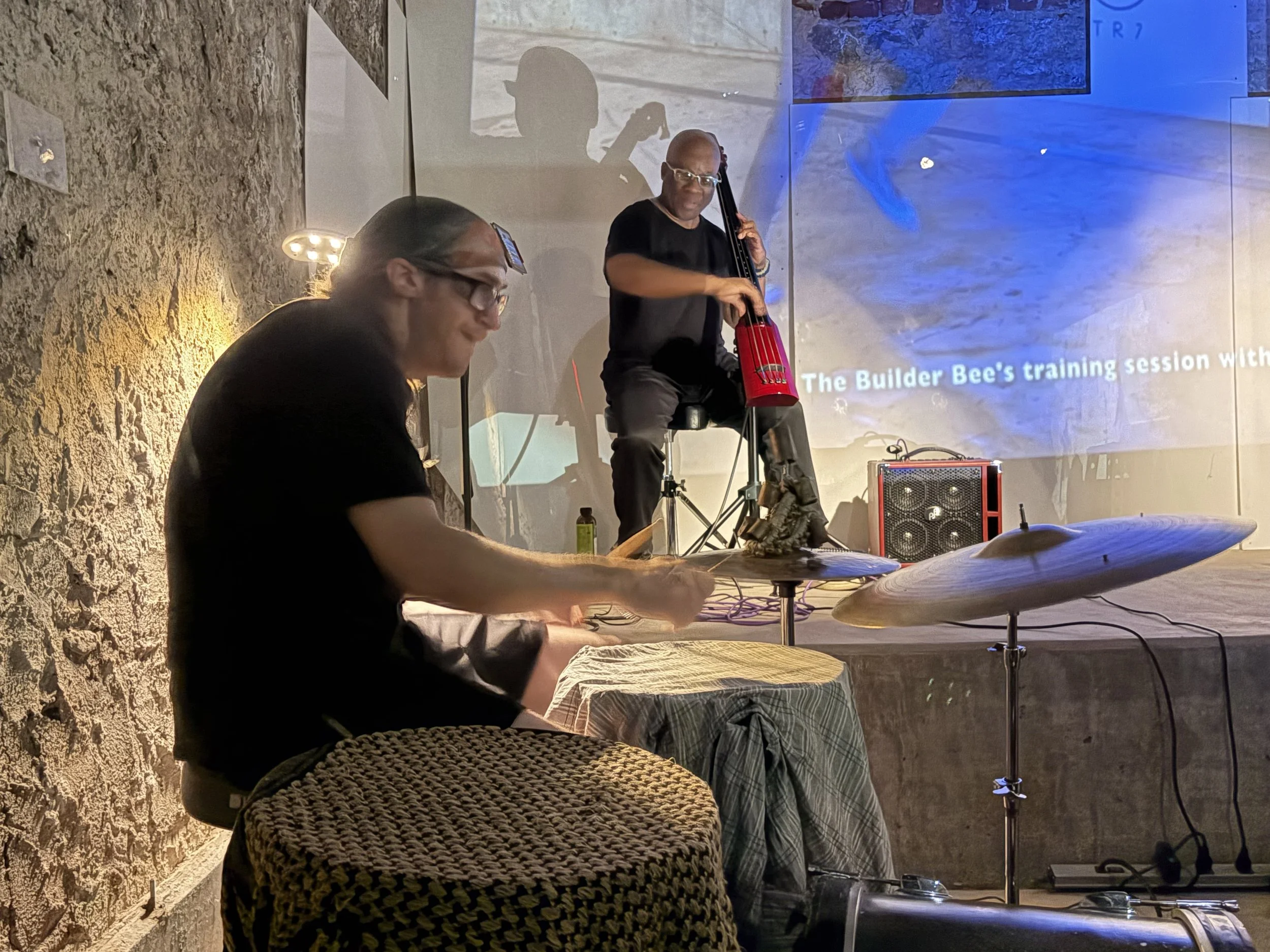
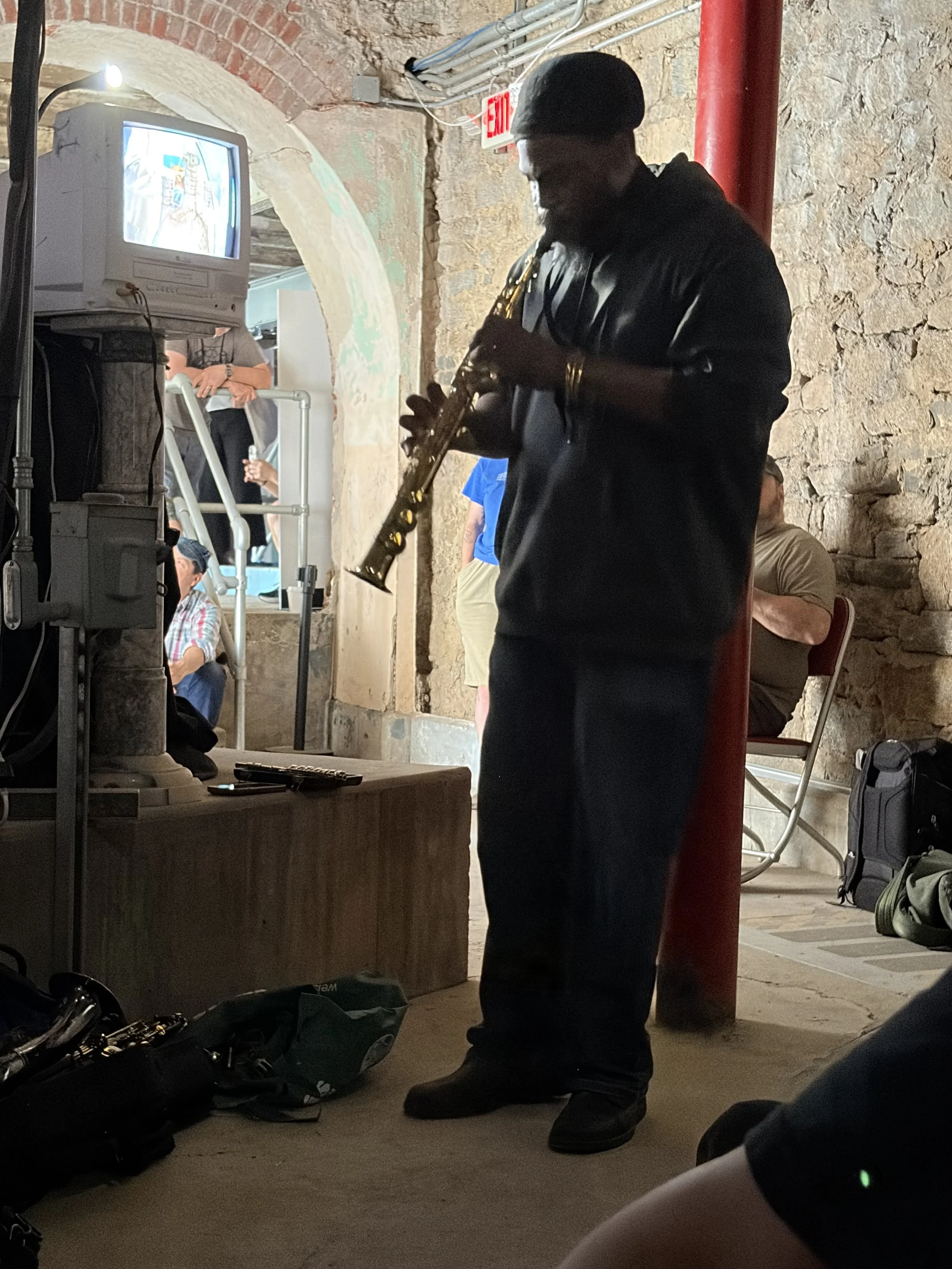
These Currents artists will energize their installations, providing an opportunity for visitors to immerse themselves in sound, light, and movement. Eugene Lew will open his performance by leading participants into his installation to celebrate and engage with their surroundings. Afterwards, TR7 and The Sonic Sculpture Ensemble will entertain and mystify the audience with a groundbreaking musical experience.
Saturday, May 16, 2026
2:00 pm – 3:30 pm
2:00 pm
Eugene Lew
For Whom the Bells Ring?
(a collective meditation for an emergent occasion, in which attendees will be invited to join in celebration, remembrance, and/or opprobrium)
2:30 pm
Taji Ra’oof Nahl
Calculating Banneker: The Work of Water
An Installation Activation in Four Movements
The Experience: A four-movement journey where the players seek the source. From the hive, discover how every drop sustains the collective. Two sonic performances utilize frequency and sound to bridge the dimensions between Benjamin Banneker’s calculations and the river’s current flow.
Calculating Banneker: The Work of Water is a structured improvisational production that breathes life into the legacy of Benjamin Banneker through a site-specific "Installation Activation," creating a transformative fusion of history, ecology, and sound at the historic Philadelphia Water Works.
In this specialized staging, the players embody the collective intelligence of the hive. As bees, the ensemble navigates a landscape of three distinct vignettes, highlighting the vital, delicate intersection between environmental stewardship and survival. One pivotal movement focuses on the fundamental necessity of clean water for the colony—a resource as essential to the bee as it is to the human spirit of innovation.
Guided by the vision of TR7 and the Sonic Sculpture Ensemble, this performance transcends traditional boundaries. By merging the precision of Banneker’s calculations with the rhythmic life cycle of the apiary, the production invites the audience to witness The Work of Water as a communal pulse of continuity and care.
Saturday, June 6, 2026
2:00 pm – 3:45 pm
2:00 pm
Taji Ra’oof Nahl
Calculating Banneker: The Work of Water
An Installation Activation in Four Movements
The Experience: A four-movement journey where the players seek the source. From the hive, discover how every drop sustains the collective. (See above for more detail.)
3:00 pm
Eugene Lew
Lasciate ogne speranza, voi ch'intrate
CENTAUR CLAUSE
Aaron Igler - bells, electronics
Eugene Lew - bells, electronics
+ guests
Saturday, May 30, 2026 and Sunday, May 31, 2026
2:30 pm - 3:00 pm
Martha McDonald
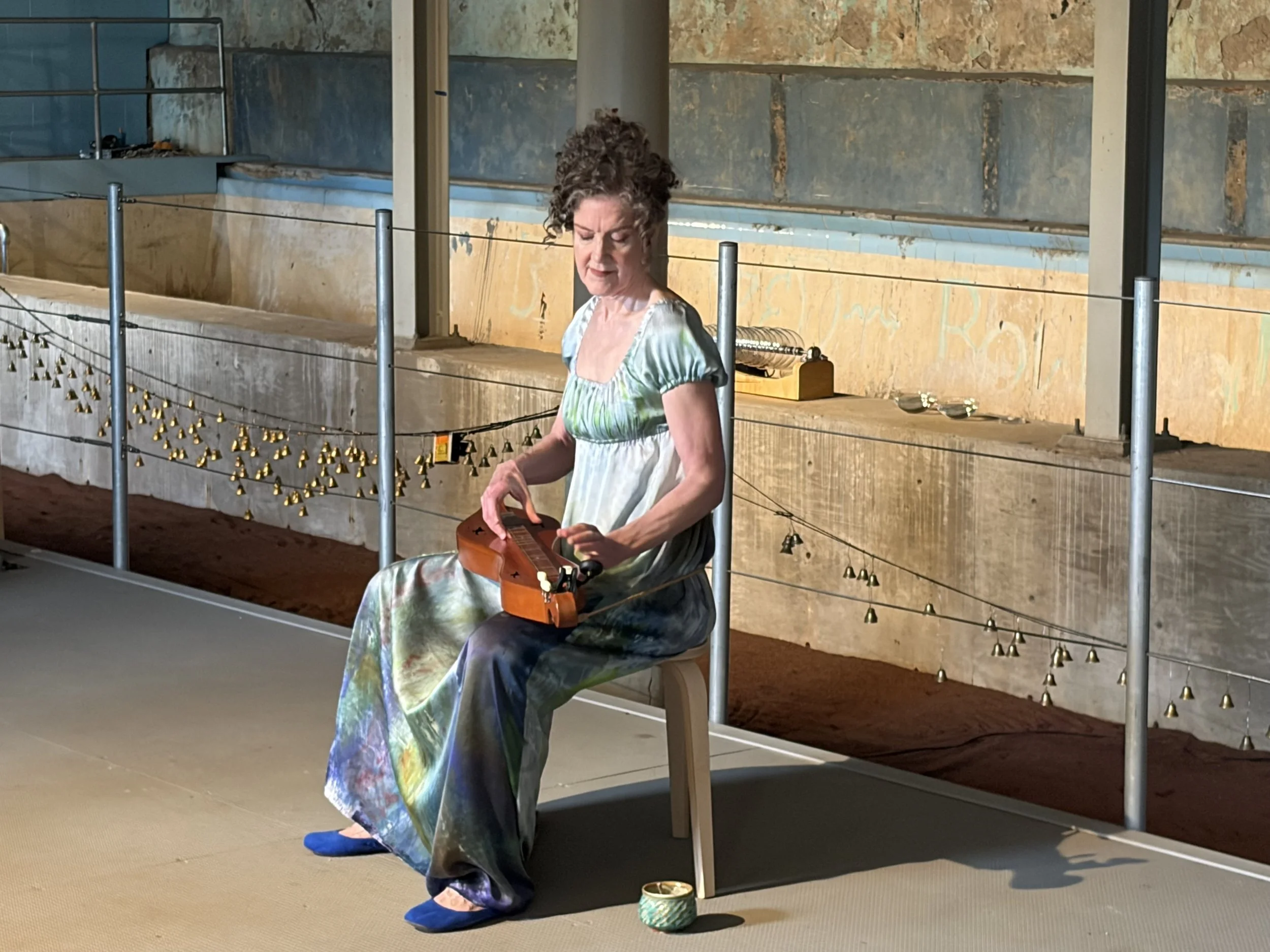
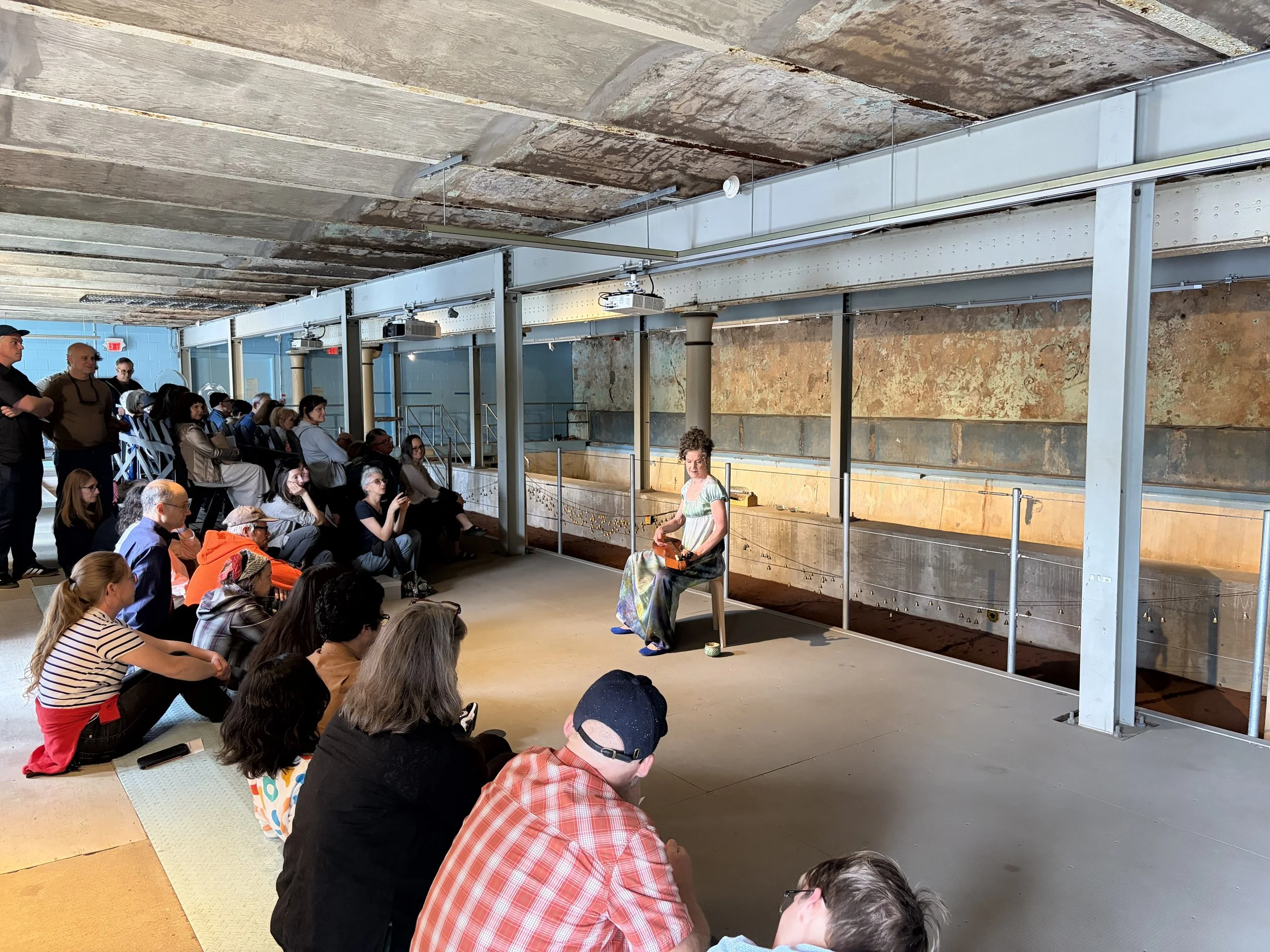
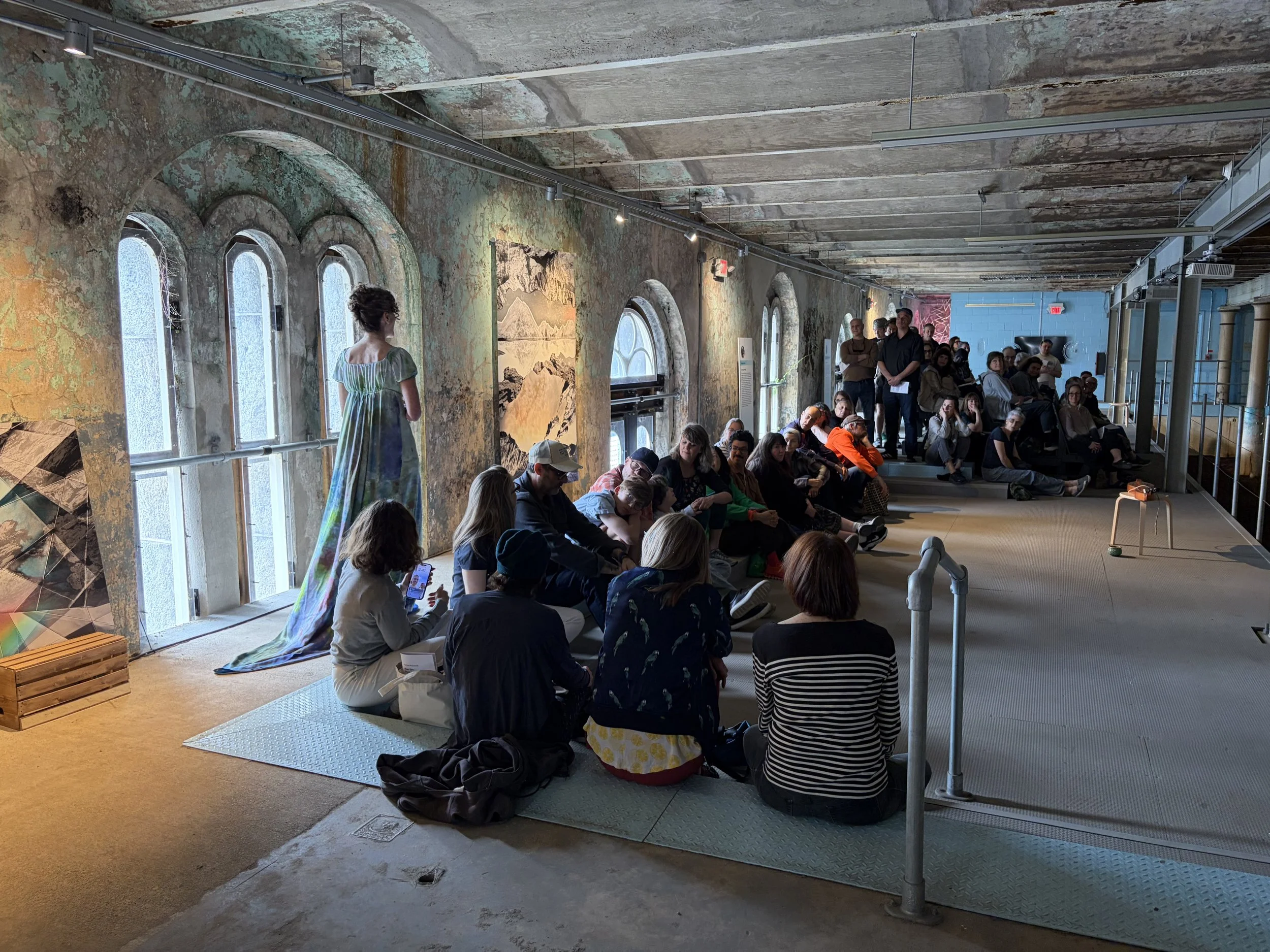
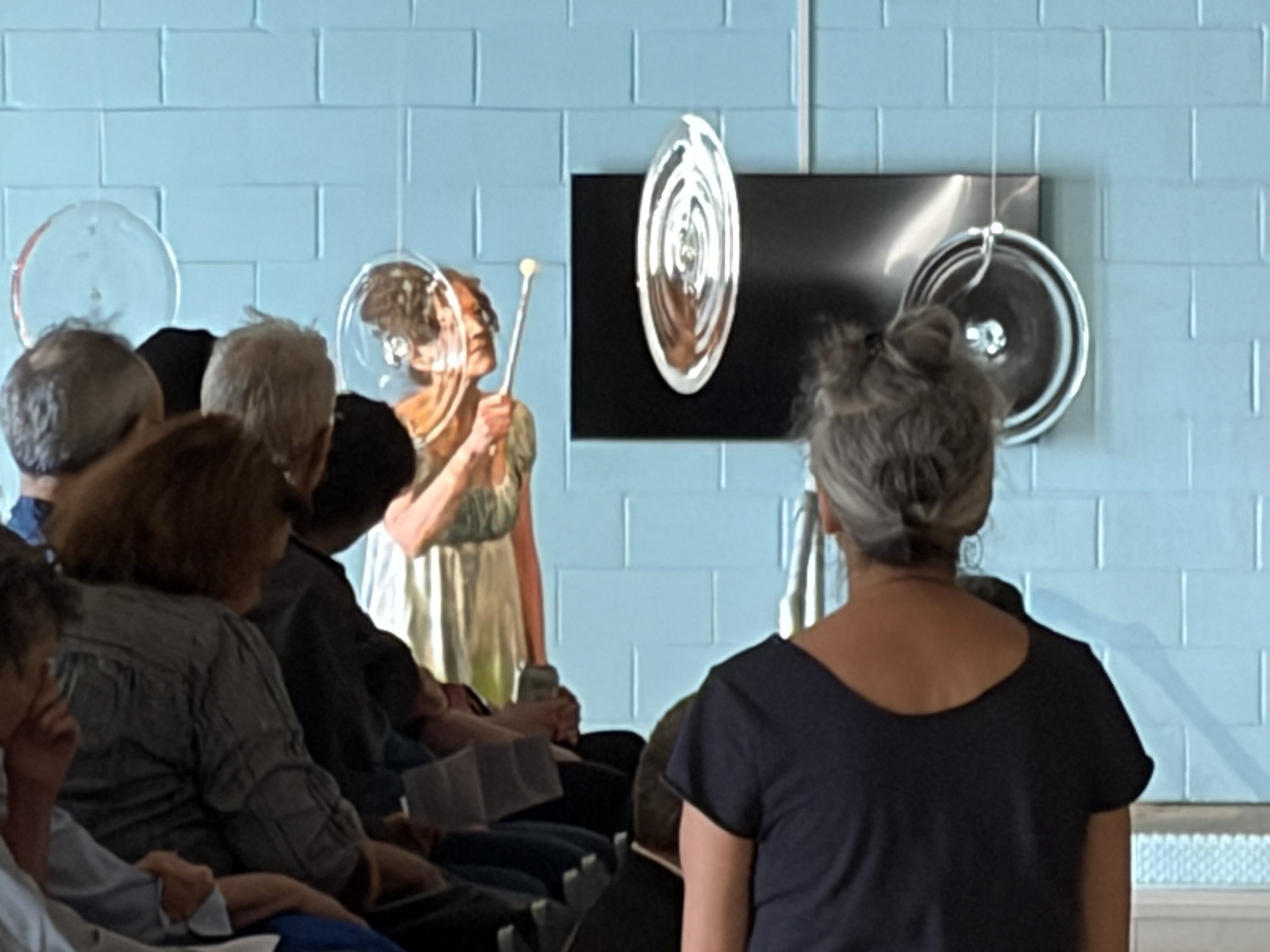
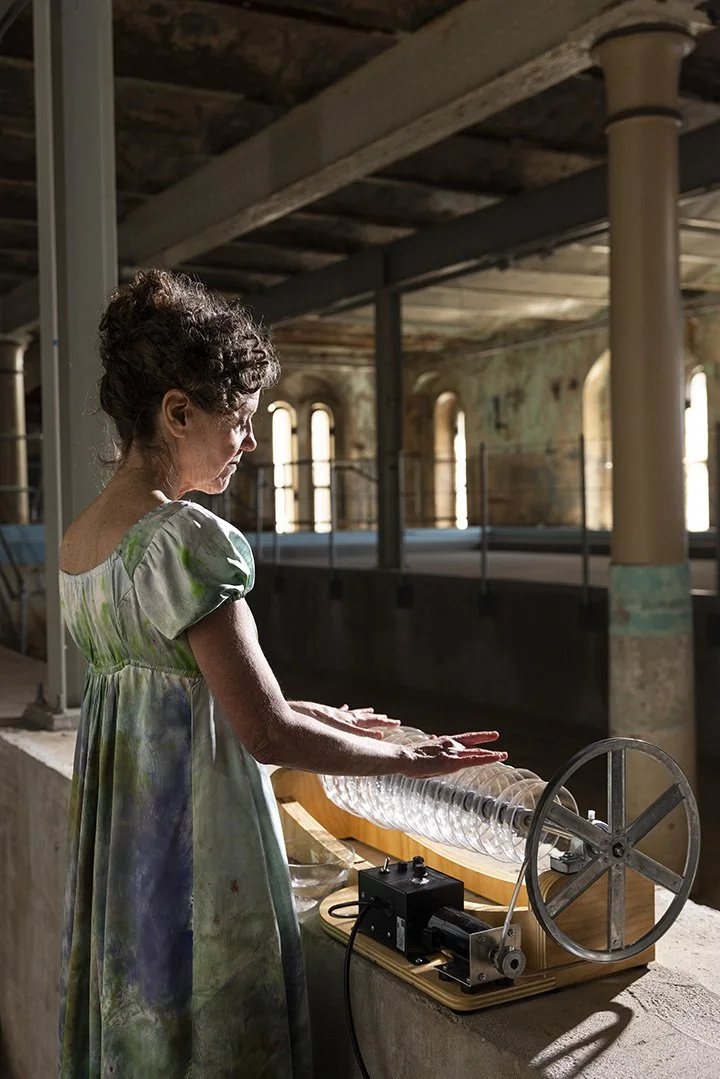
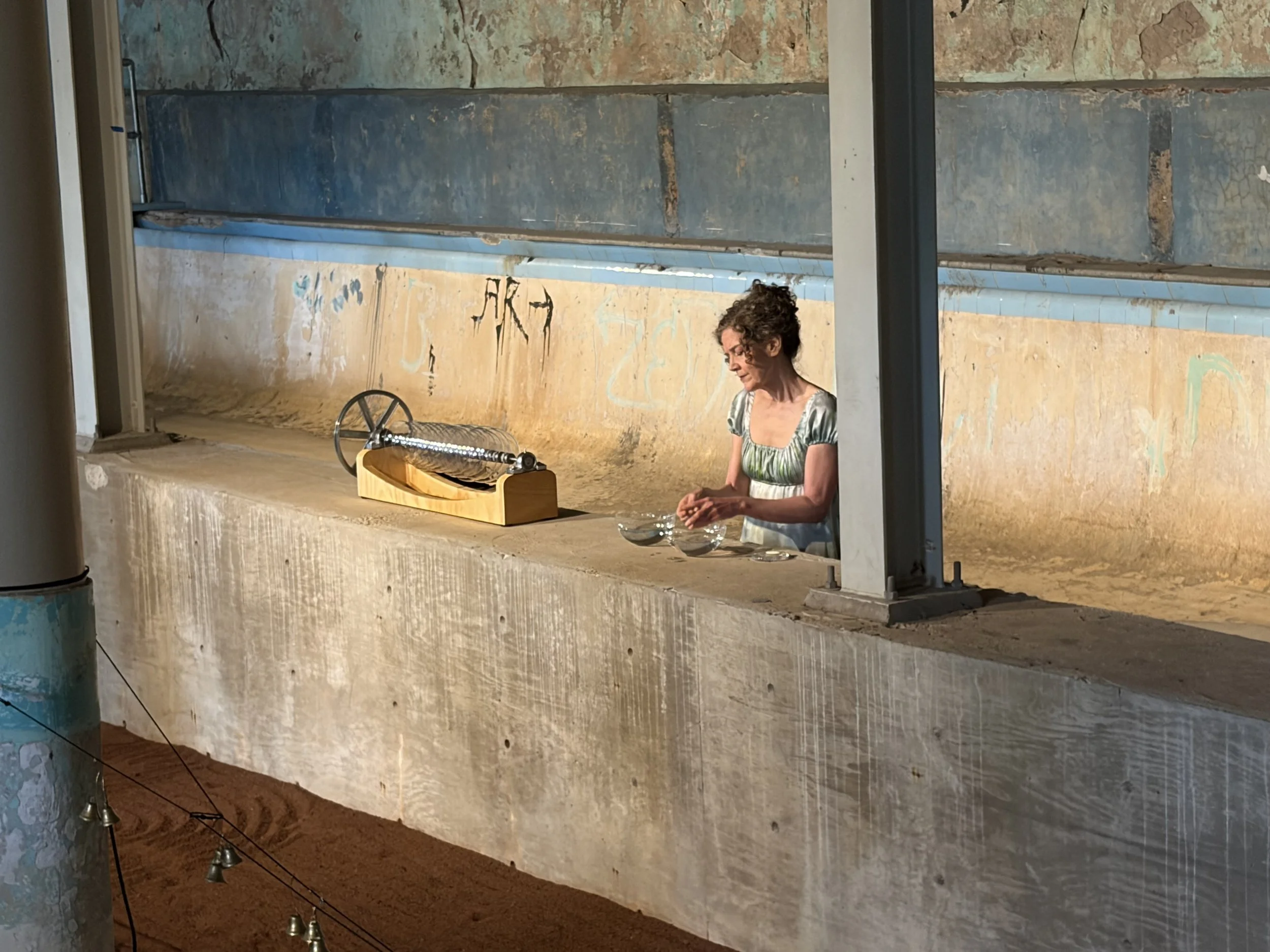
River Ode: The Schuylkill Freed is a site-specific performance by Martha McDonald exploring the history of the Fairmount Water Works and the life of the Schuylkill River. Sited in the abandoned John B. Kelly Pool on the ground floor of the historic building, the performance will activate the space through movement, costume and original music reflecting on the engineering feats that harnessed the power of the river to bring clean water to the people; tales of the Schuylkill Rangers, 19th century Irish river pirates from nearby Grays Ferry; and the rebirth of the river after decades of pollution.
Anchoring the piece in the Semiquincentennial, McDonald will play a glass armonica—an instrument invented by Benjamin Franklin that uses water to make music. A series of spinning glass bowls that create ethereal tones when touched with wet fingers, the glass armonica evokes the water wheels that once hummed in this building and conjures a mournful resonance within its crumbling walls.
Artists
Martha McDonald
River Ode: The Schuylkill Freed
Inspired by William Rush’s 19th century allegorical sculptures that adorn the Water Works, The Schuylkill Chained and The Schuylkill Freed, my installation and performance explore folk histories, hydraulic technologies and the river as sentient being. My performance activates the space with movement, costume and original music, reflecting on the engineering feats that harnessed the power of the river to bring clean water to the people, on the tales of the Schuylkill Rangers, 19th century Irish river pirates from nearby Grays Ferry and on the rebirth of the river after decades of pollution. Anchoring the piece in the Semiquincentennial, I commissioned an artist to make a glass armonica—an instrument invented by Benjamin Franklin that uses water to make music. A series of spinning glass bowls that create ethereal tones when touched with wet fingers, the armonica evokes the water wheels that once hummed in this building and nods to the now empty Kelly swimming pool. My installation includes glass gongs played in performance and an intimate video portrait of the armonica. Once part of a majestic engineering marvel, the site of this exhibition is now a forlorn ruin, haunted by its past glory. The glass armonica and gongs conjure a mournful resonance within these crumbling walls.
Bio
Martha McDonald makes performances and installations that feature handcrafted costumes and objects, which she activates through movement and song. For over two decades, she has developed site-specific interventions in museums, botanic gardens, and historic sites. Her work is grounded in deep research into collections, archives, and historic material practices; and in response to the physical site.
McDonald has created works for the Smithsonian National Portrait Gallery (Washington, DC), Black Mountain College Museum + Arts Center (Asheville, NC), the John Michael Kohler Arts Center (Sheboygan, WI), Wharton Esherick Museum (Malvern, PA), the Museum of American Glass at Wheaton Arts (Millville, NJ), Craft Victoria (Melbourne, Australia), Elizabeth Bay House (Sydney, Australia), and for RAIR (Recycled Artists in Residence), The Woodlands Cemetery, and The Rosenbach Museum & Library (all in Philadelphia, PA). She received an MFA from Monash University, Melbourne, Australia. She lives and works in Philadelphia, PA.
McDonald was awarded a Smithsonian Artist Research Fellowship in 2024 to study the evolution of the Appalachian dulcimer in the National Museum of American History and the Center for Folklife and Cultural Heritage in Washington, DC.
Eugene Lew
Forming on Empty
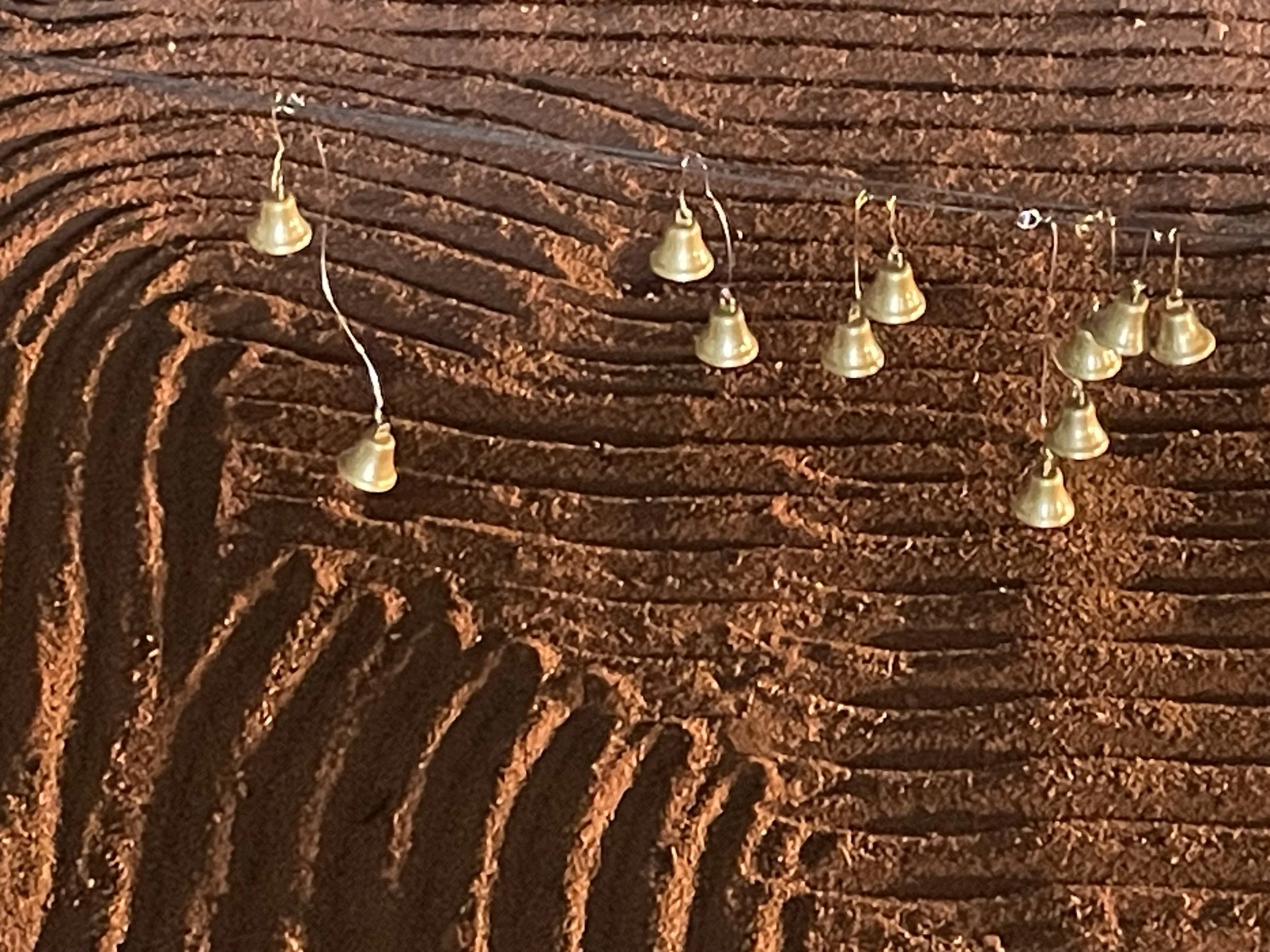
The Kelly Natatorium at the Fairmount Water Works sits adjacent to the Schuylkill River; the former a dulled and still mirror of the latter, where sunlight reflected upon the surface dances on the ceiling, and the rolling flow contrasts with concrete forms that once held water and people. The karesansui (dry landscape garden / 枯山水) mumbles suggestions of the river, allows us to visualize individual units of the composite, and to trace new patterns and paths in stone. The sounds below the surface visit us up above, and light on the water calls out clearly. The occasion of the semiquincentennial simultaneously conjures scattered blue historical markers and oozing lacunae. What is happening here? There are 250 rules for monastic life. A reward can be split four ways, and 250 incense burners were swallowed by the earth. Something’s going on that’s not quite clear. But from silence and emptiness, bells will ring to echo the passing of time, memories, and signal collective possibilities.
Bio
Eugene Lew is a guide, producer, educator, rock gardener, and organizer primarily engaged in performance, design, access, management, transformation, (attempted) capture, storage, and playback of shared IRL experiences – with a sound/music bias. The fleeting moment, aggregate independent decision-making, and stochastic phenomena are especially fascinating and vital to his practice and general existence. He welcomes serendipitous collaborations and treasures long-term partnerships that seek to navigate and explore the constant cycle of remembering-learning-forgetting-reconstructing.
Taji Ra’oof Nahl
Work of Water
And your Lord taught the Bee to build its cells in hills, on trees and in men’s habitations”
Sacred Quran -Surah Nahl 16, ayat 68
Work of Water operates as a logistical field station—a three-part installation distributed across the Fairmount Water Works. Structured as interconnected Outposts, the work functions as a social sculpture in which viewers move through a system of terrestrial measurement and celestial flow.
The site’s history as a hydraulic infrastructure is reconfigured as a knowledge system—one that channels observation, time, and civic intention. Anchored by Benjamin Banneker, the project recalibrates his almanac practice within this environment, positioning the Water Works as both instrument and subject.
Irrigation operates as the central principle: the directed movement of knowledge as Currents. Histories, observations, and sacred text circulate rather than remain fixed, shaped by conditions of flow, accumulation, and release.
Sculpture, sound, and moving image function as interdependent carriers within this system. Video Almanac sequences extend Banneker’s temporal logic into the present, while live sound translates environmental data into frequency.
Grounded in Qur’anic philosophy and informed by the stewardship of the Bee, the work advances a seven-phase continuum. The Outposts remain open instruments—structures for transmission—where form emerges through circulation between archive, atmosphere, and public encounter.
Bio
Taji Ra’oof Nahl (b. 1961, USA) is a conceptual artist working across sculpture, film, sound, and collective study. He is a 2024 Guggenheim Fellow in Fine Arts. He is the architect of the TR7 Ecosystem—an evolving platform that organizes installations, moving image, performance, and collaboration into a unified cultural infrastructure. His work operates through Field Trips, Video Almanacs, live scoring sessions, and staged productions that examine overlooked histories and the movement of knowledge through civic space.
Rooted in Qur’anic epistemology, Nahl advances a method he defines as artistic journalism, merging documentation, sound, and visual form to engage historical record and contemporary conditions.
Long-running initiatives include the Microfilm Festival, Renaissance Report Live, Ice Station Zero, The Other Sounds of Philadelphia, the Adam Vocabulary Club, and the 2Spiral Collective. Together, these platforms generate installations, films, sonic environments, and public activations that function as interconnected parts of a larger system.
His work has been presented in museums, universities, and civic contexts across the United States, establishing a durable model for collaborative inquiry, cultural stewardship, and public-facing knowledge production.