Currents

Fairmount Water Works
640 Waterworks Dr.
Philadelphia, PA 19130

May 9 - August 8, 2026


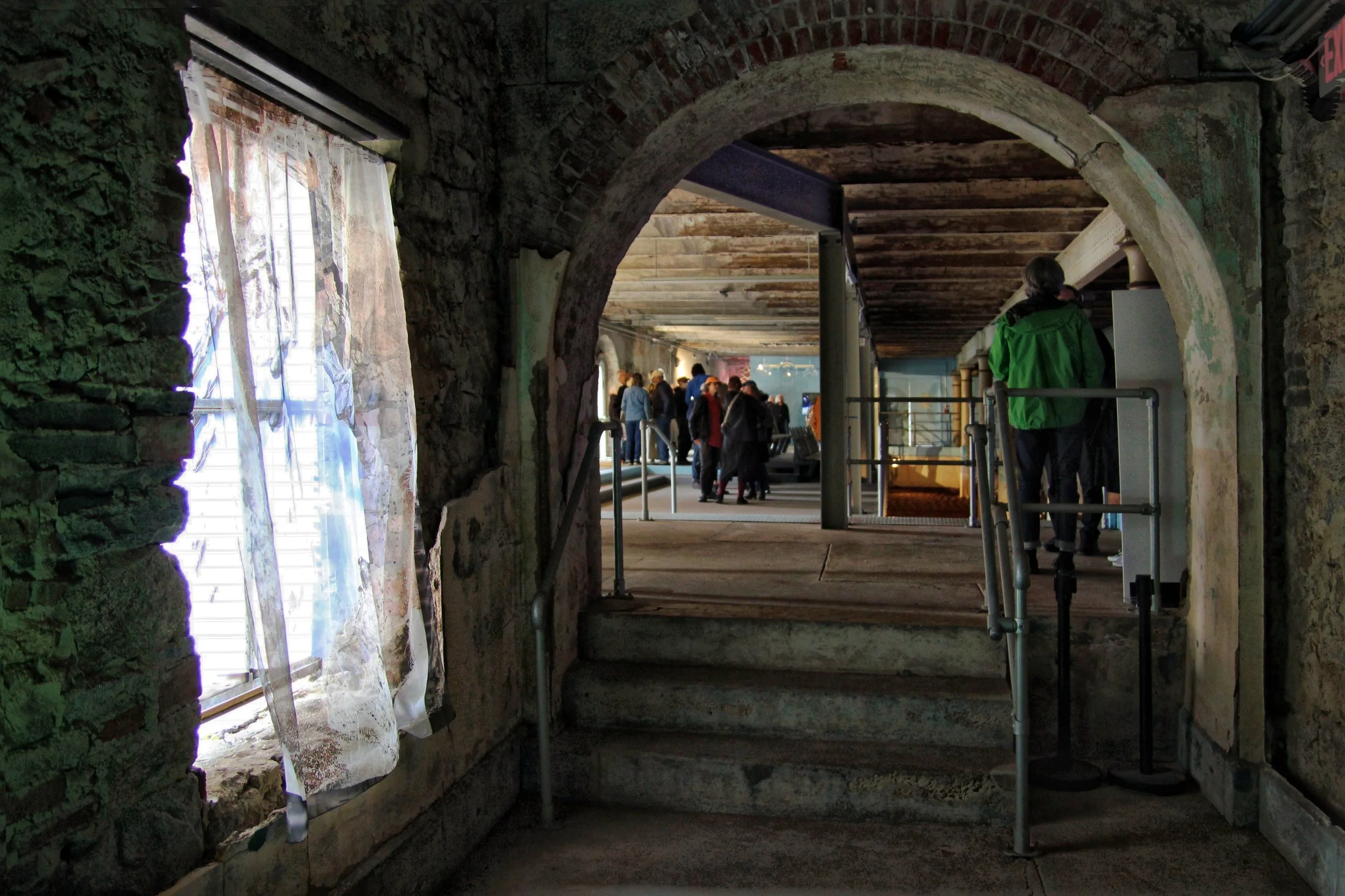
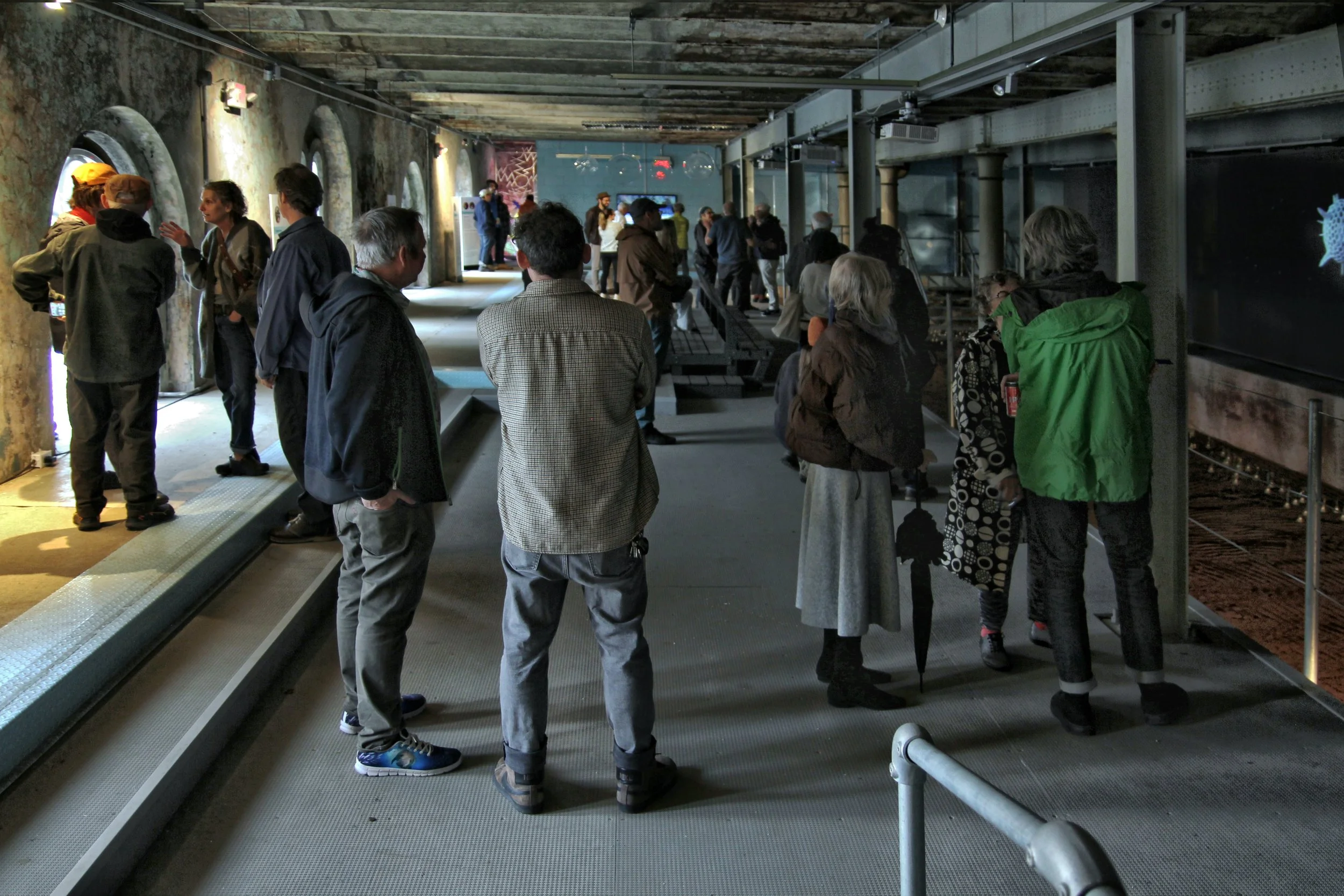
Dive into the waterways of Philadelphia’s past and present in the upcoming Philadelphia Sculptors and Fairmount Water Works collaborative exhibition, “Currents.” Between May 9 and August 8, 2026, ten highly recognized local artists will expose the hidden mysteries of the raw architecture and underground corridors beneath the historic Fairmount Water Works. Perched just above the Schuylkill River, imaginative site-specific artworks will immerse visitors in the voices of the river and the history and ecology of the Water Works and its environs. Trickling harmonic notes will accompanyephemeral video projections while haunting multi-media installations will connect colonial times to both the real present and an imagined future 250 years ahead.

Artists: Joy Feasley and Paul Swenbeck, Julianna Foster, Carolyn Healy and John Phillips, Nadia Hironaka and Matthew Suib, Eugene Lew, Martha McDonald, and Taji Ra’oof Nahl. 

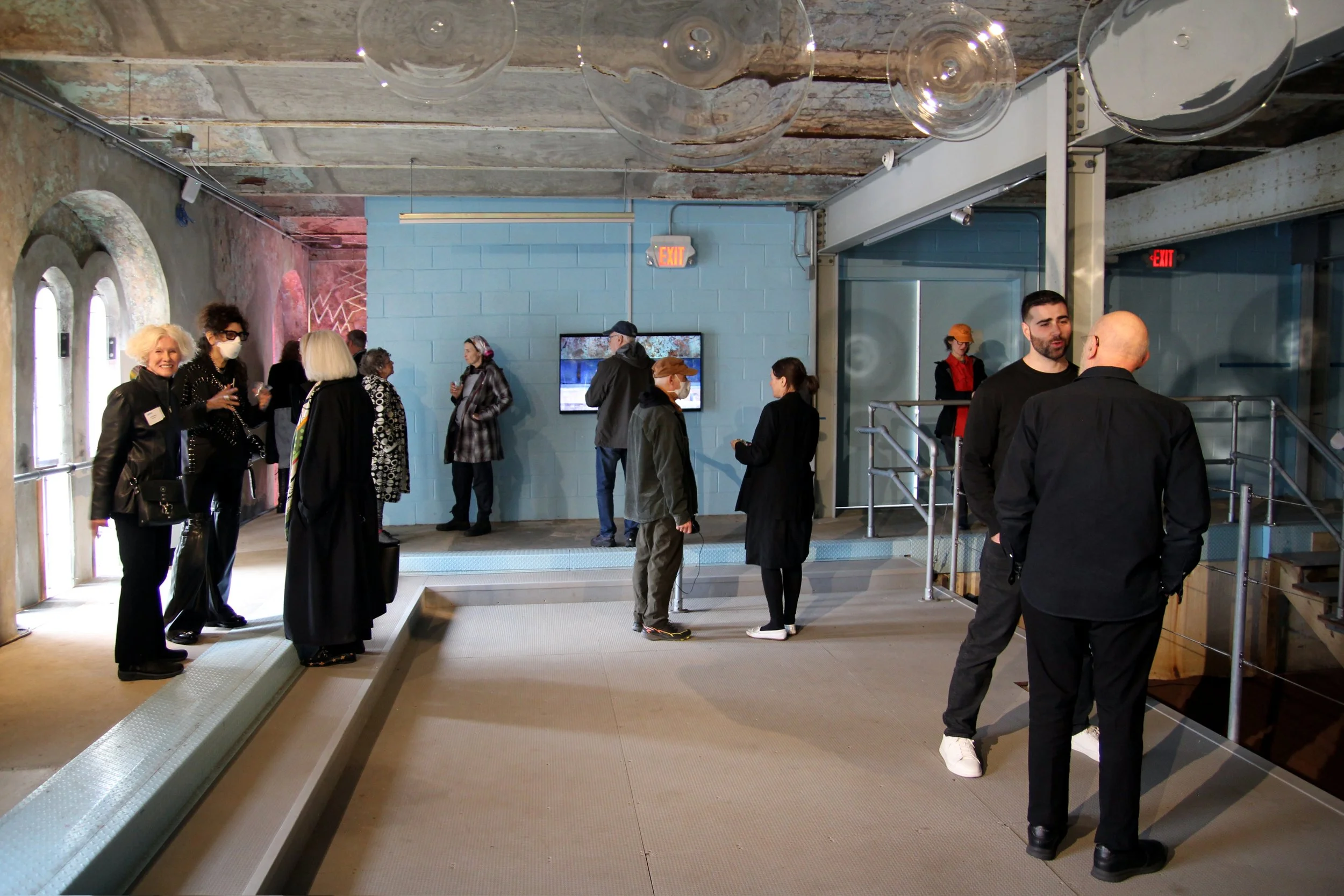
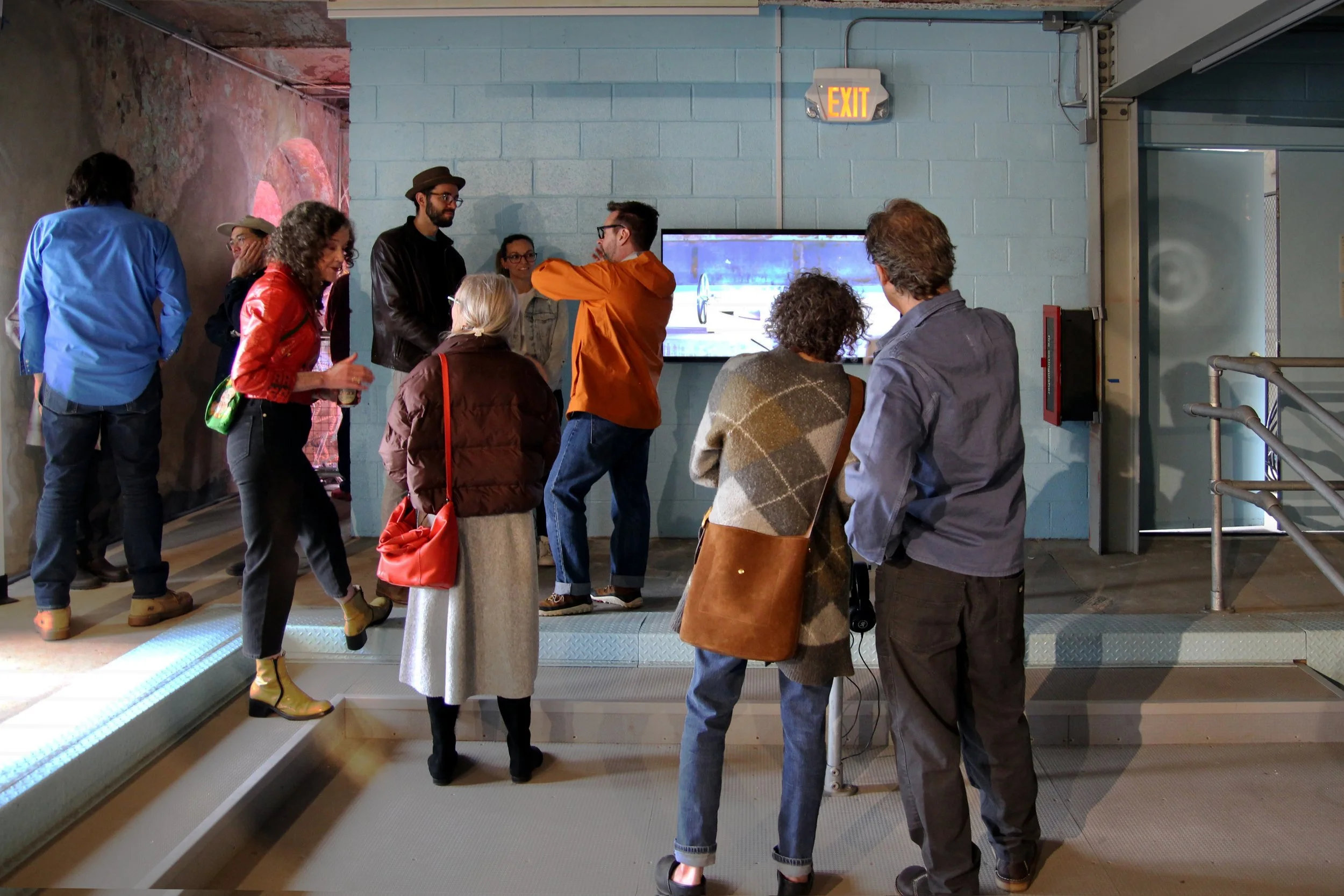
A public opening reception will take place on Saturday, May 9, 2026 from 1:00 – 4:00 p.m., with musical performances scheduled during the run of the exhibition. 

Co-Curators: Elaine Crivelli, Leslie Kaufman, Marsha Moss 


Artists

Carolyn Healy and John Phillips

Headwaters

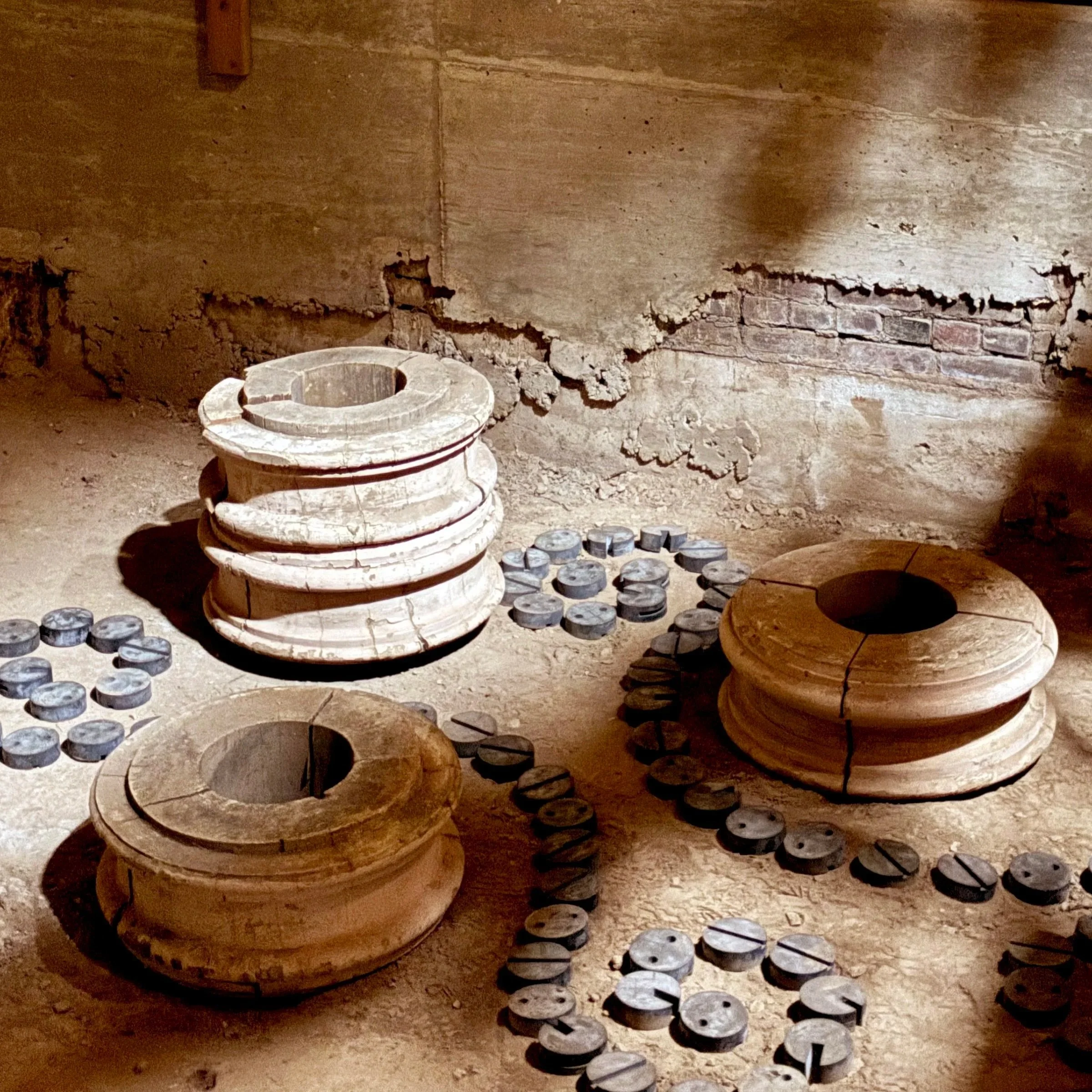
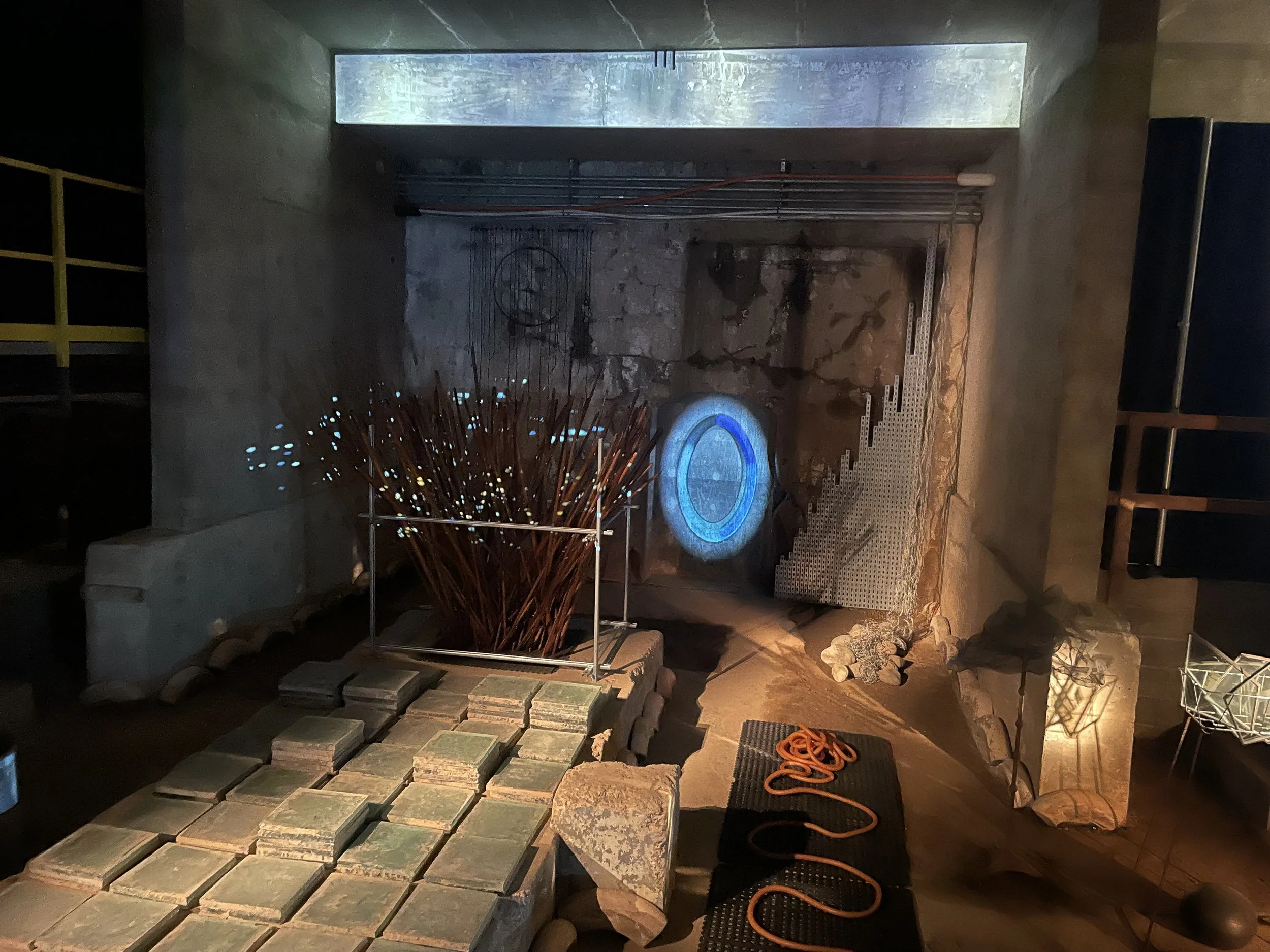
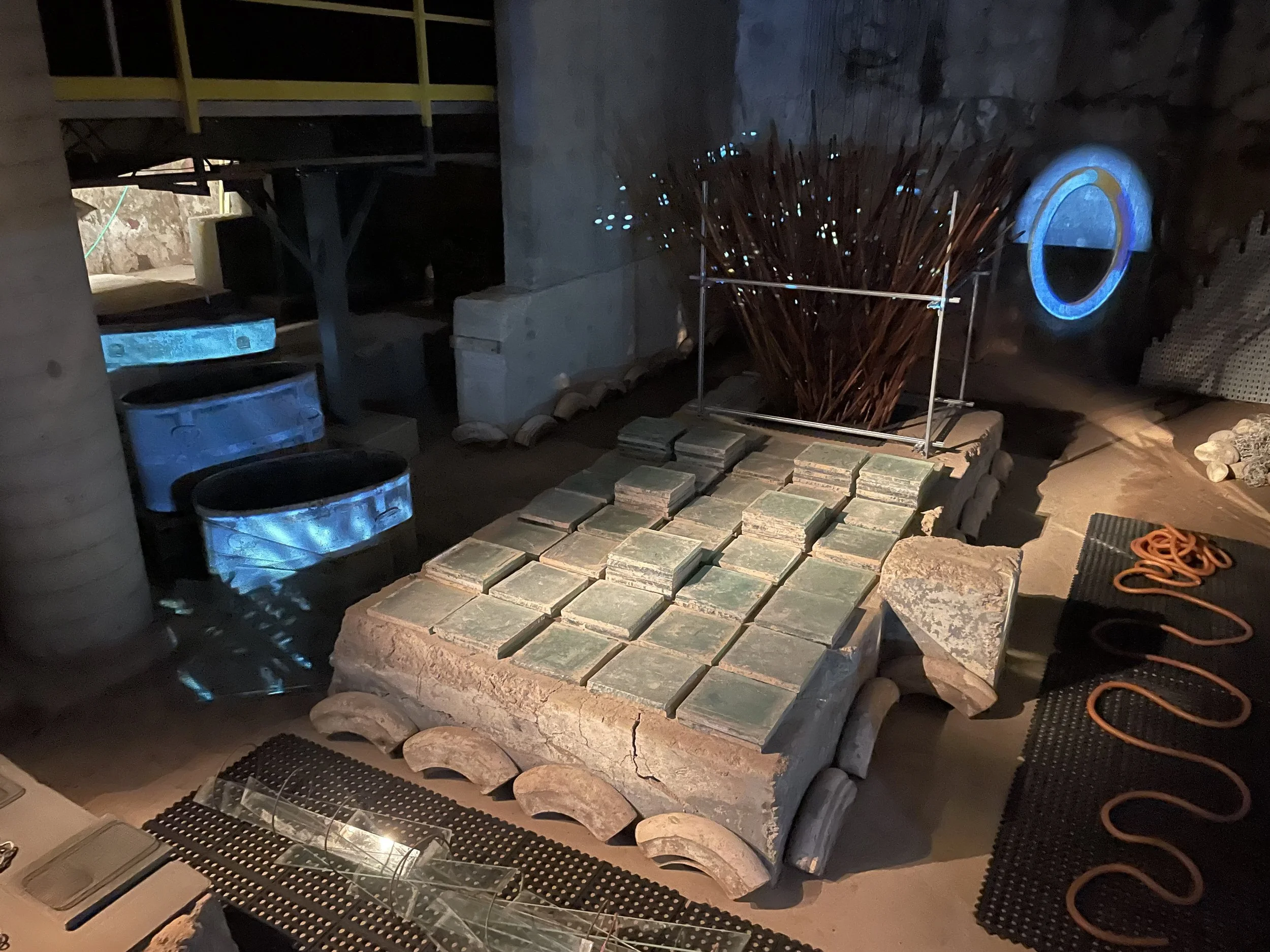
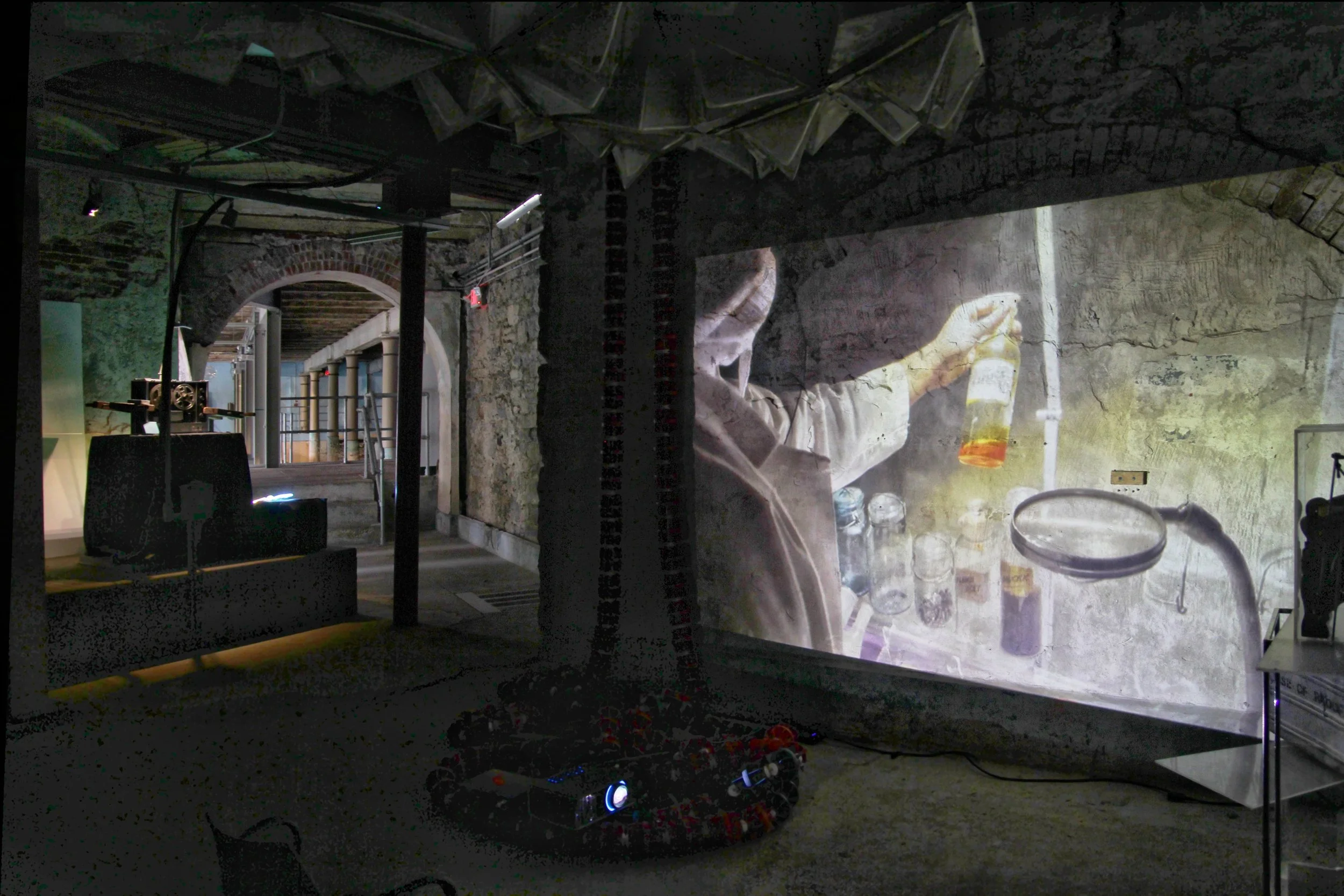
As site-specific artists, we were drawn to the area informally called “the old boiler room.” This underground space immediately appealed to us: water running down the walls, the remnants of mud from previous floods, old architectural remnants from the building’s long history, and a dramatic elevated central slab all combined to influence how our installation developed. We began by learning about the physical aspects of water, its ability to change from ice to fluid to vapor all within our livable temperature range. It is an unusual substance. We investigated the strange structures and interactions of those three phases but ultimately our concepts became more universal. We know our planet can support life due to the cycling of water from sea to sky to earth, from one living thing to another, and within our cells. Our weather in all its complexity and visual glory likewise depends on this eternal looping of water molecules. The elemental beauty and power recognized in these endless manifestations—from placid ponds to violent storms, from moisture hidden in subterranean rocks to turbulent vortices, from delicate ice crystals to crushing glaciers—have inspired an ocean of Art. We are adding but a tiny droplet.

Bios

Carolyn Healy is a sculptor and John Phillips is a sound and video artist. Each has received numerous grants and commissions individually, but for the past several decades they have collaborated on large, site-based, multi-media projects such as: a performance/ installation on a river barge with tugboat for Whitman at 200, Philadelphia; an entire cellblock in historic Eastern State Penitentiary, Philadelphia; stage set and sound for performances of James Joyce’s Molly Bloom soliloquy at La MaMa and Symphony Space, NYC and the Cini Foundation, Venice, Italy. Installations in historic industrial buildings incorporating artifacts found on location include Disston Saw Works and Globe Dye Works, both in Philadelphia, and the Wheaton Arts glass museum in Millville, New Jersey. The artists have created four installations for the Philadelphia Live Arts and Fringe Festivals, in a storefront, warehouse, loft, and elevator shaft, as well as commissioned works for the International Computer Music Conferences in Ann Arbor, Michigan and in Beijing, China. Gallery and museum settings for their art have included Suyama Space, Seattle, Washington; Carnegie Mellon University, Pittsburgh, Pennsylvania; Rowan University Art Gallery and Museum, Glassboro, New Jersey; the Institute of Contemporary Art and Drexel University’s Pearlstein Gallery, in Philadelphia, Pennsylvania.


Martha MacDonald

River Ode: The Schuylkill 

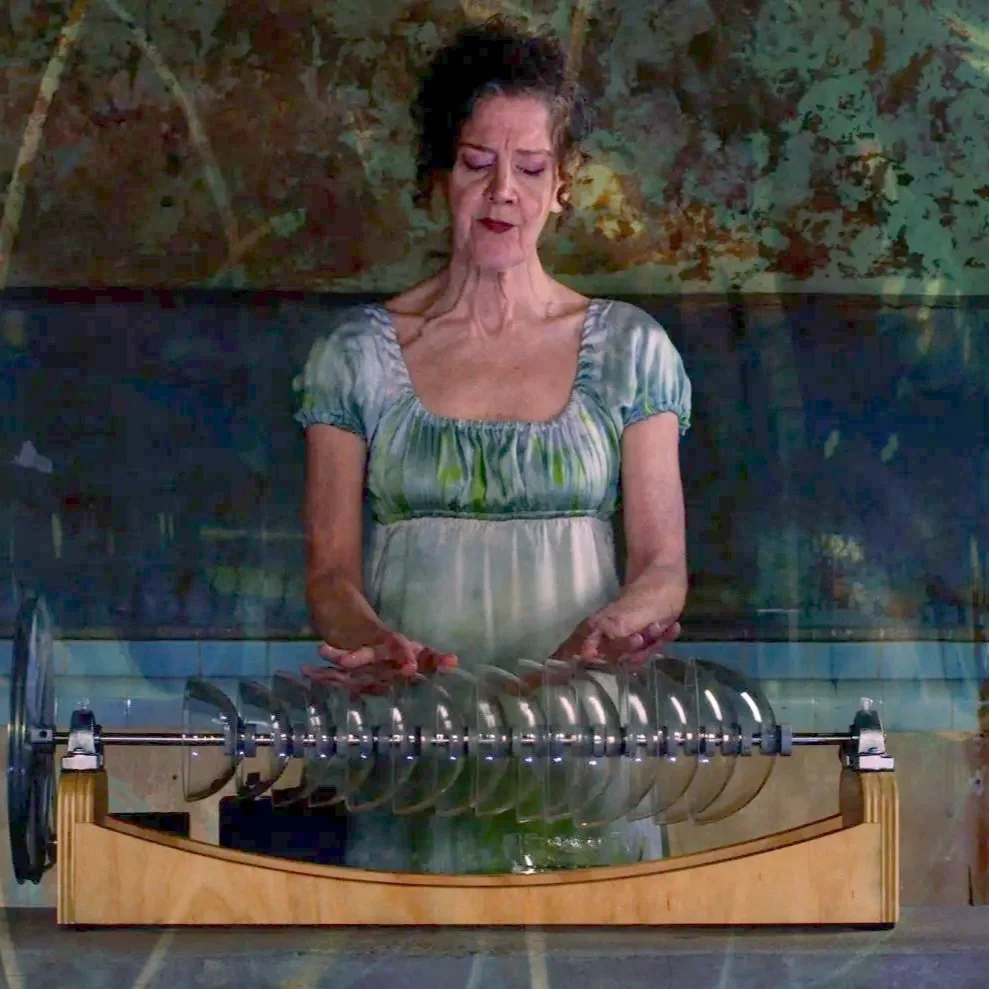
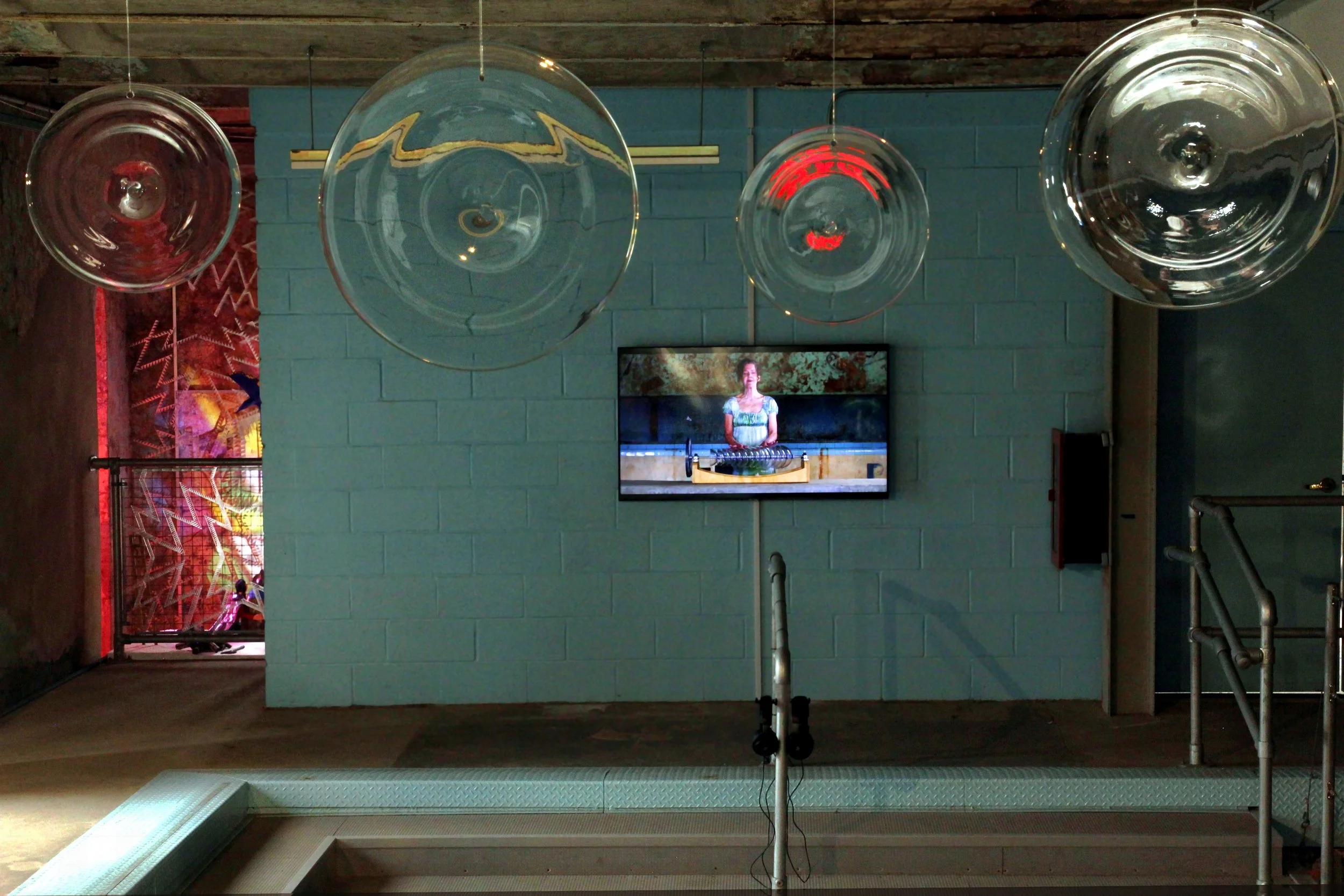
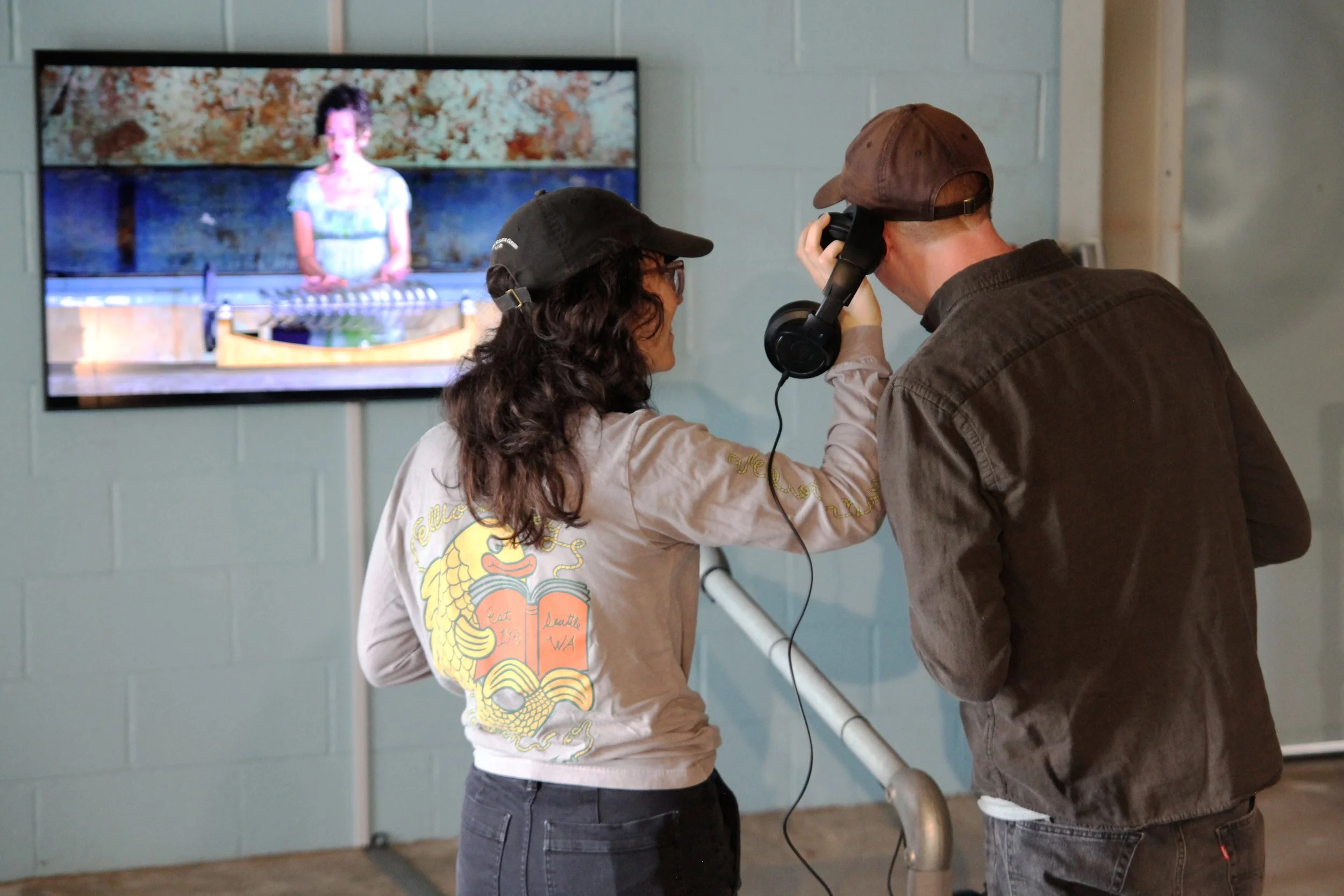
Inspired by William Rush’s 19th century allegorical sculptures that adorn the Water Works, The Schuylkill Chained and The Schuylkill Freed, my installation and performance explore folk histories, hydraulic technologies and the river as sentient being. My performance activates the space with movement, costume and original music, reflecting on the engineering feats that harnessed the power of the river to bring clean water to the people, on the tales of the Schuylkill Rangers, 19th century Irish river pirates from nearby Grays Ferry and on the rebirth of the river after decades of pollution. Anchoring the piece in the Semiquincentennial, I commissioned an artist to make a glass armonica—an instrument invented by Benjamin Franklin that uses water to make music. A series of spinning glass bowls that create ethereal tones when touched with wet fingers, the armonica evokes the water wheels that once hummed in this building and nods to the now empty Kelly swimming pool. My installation includes glass gongs played in performance and an intimate video portrait of the armonica.  Once part of a majestic engineering marvel, the site of this exhibition is now a forlorn ruin, haunted by its past glory. The glass armonica and gongs conjure a mournful resonance within these crumbling walls.

Bio

Martha McDonald makes performances and installations that feature handcrafted costumes and objects, which she activates through movement and song. For over two decades, she has developed site-specific interventions in museums, botanic gardens, and historic sites. Her work is grounded in deep research into collections, archives, and historic material practices; and in response to the physical site. 

McDonald has created works for the Smithsonian National Portrait Gallery (Washington, DC), Black Mountain College Museum + Arts Center (Asheville, NC), the John Michael Kohler Arts Center (Sheboygan, WI), Wharton Esherick Museum (Malvern, PA), the Museum of American Glass at Wheaton Arts (Millville, NJ), Craft Victoria (Melbourne, Australia), Elizabeth Bay House (Sydney, Australia), and for RAIR (Recycled Artists in Residence), The Woodlands Cemetery, and The Rosenbach Museum & Library (all in Philadelphia, PA). She received an MFA from Monash University, Melbourne, Australia. She lives and works in Philadelphia, PA.

McDonald was awarded a Smithsonian Artist Research Fellowship in 2024 to study the evolution of the Appalachian dulcimer in the National Museum of American History and the Center for Folklife and Cultural Heritage in Washington, DC. 


Joy Feasley and Paul Swenbeck

Compensation 

For each ecstatic instant 

We must an anguish pay 

In keen and quivering ratio 

To the ecstasy. 

For each beloved hour 

Sharp pittances of years, 

Bitter contested farthings 

And coffers heaped with tears. 

-Emily Dickinson 1896 

tu me manques   you are missing from me 

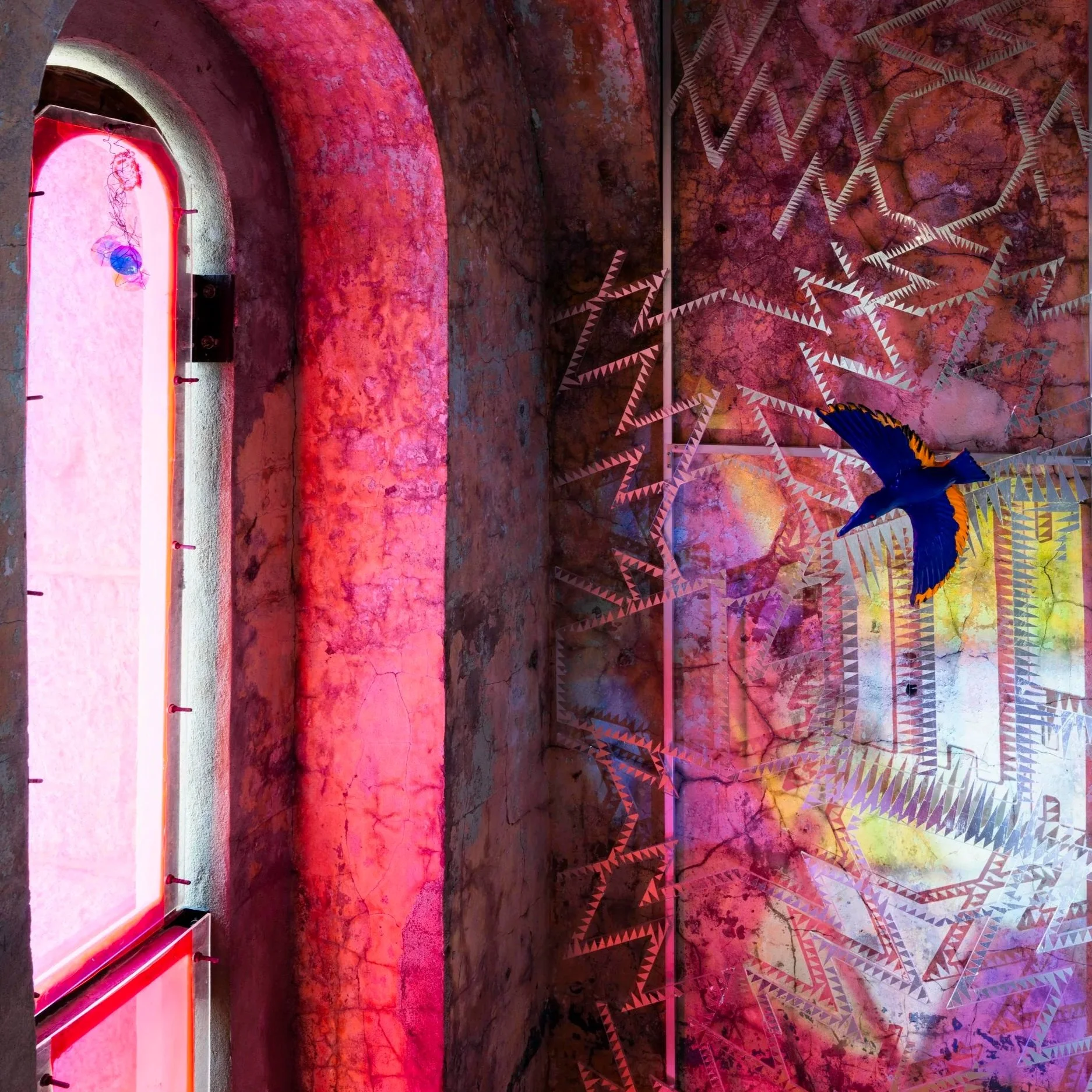
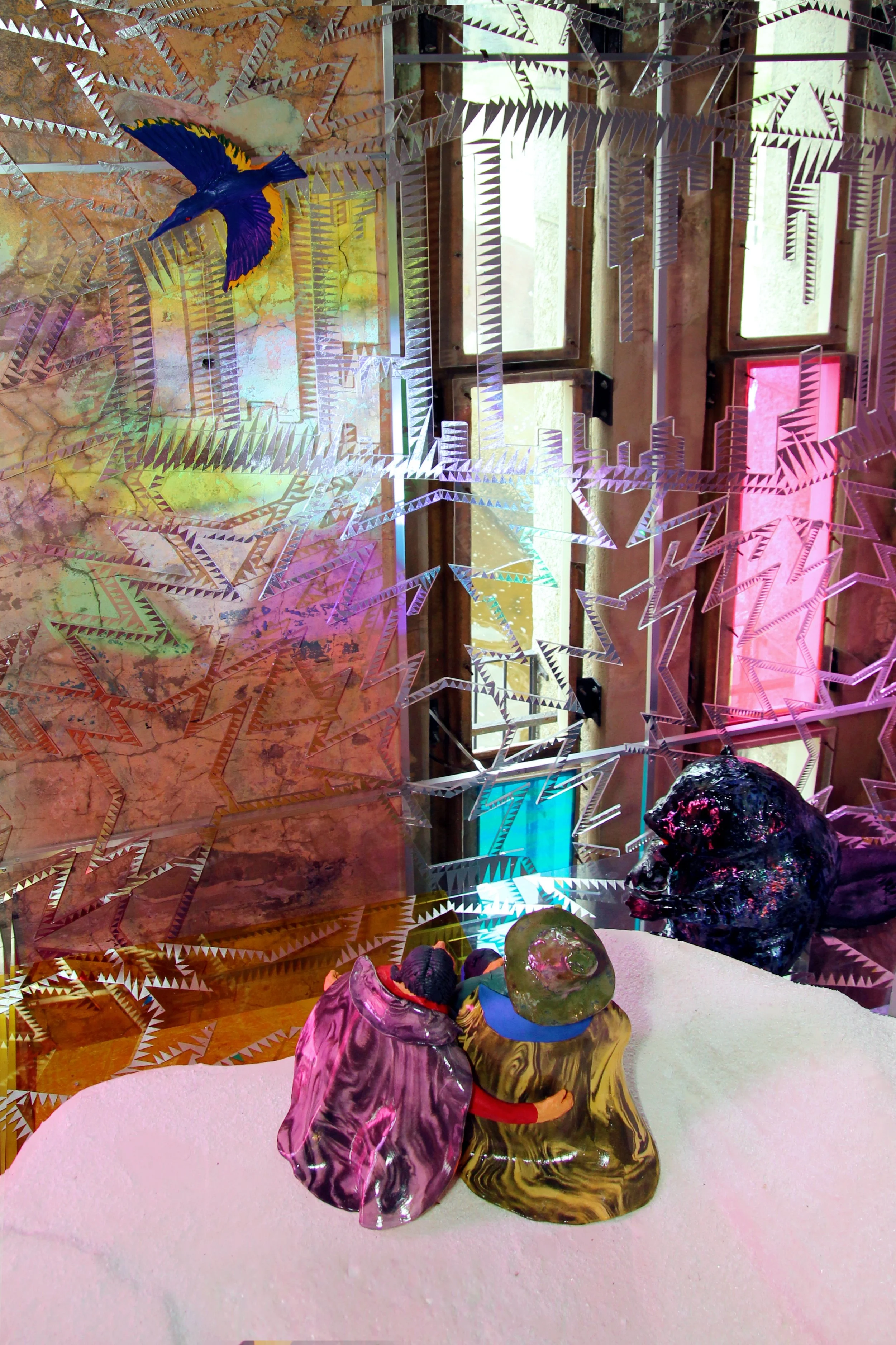
At the edge of a river bluff a pair of weary sentries rest and look out over the brightening morning gloom. This corner of history reveals a series of terrible moments saturated with beauty. Lightning and fiery shooting stars are thrilling until they begin to threaten our feelings of safety. Here, a bright pinpoint of light in the still, dark sky grows and grows until it begins to portend disaster. Like the momentary transformation of a landscape in an eclipse, time here stands still and a door opens to a possible world that fills us with awful dread and ecstatic joy. When the light is revealed to be a manufactured phenomenon, the bottom drops out and panic sets in. The sentries feel the weight of the inevitable loss created by human intervention in the natural world. They enjoy one last drink before the light becomes a force of destruction. 

All the while, the thaw of spring coincides with this singularity, and a feeling of calm returns; the perseverance of nature may continue to include us or erase us in a future out of our control. The marine layer clouds the dawn on the horizon. 

Bio

Joy Feasley and Paul Swenbeck are Philadelphia artists who share a love of the natural world and the chaotic magic of a collaborative studio practice.

Joy often paints the quiet poetry of a vast landscape, while Paul’s practice moves between photography and sculpture, informed by a lifelong love of all things supernatural. Together, they create installations filled with beauty, melancholy, folklore, and experimentation. Joy and Paul both graduated from Massachusetts College of Art in Boston and they have received Pew Fellowships in the Arts in Philadelphia. 


Julianna Foster

Geographical Lore

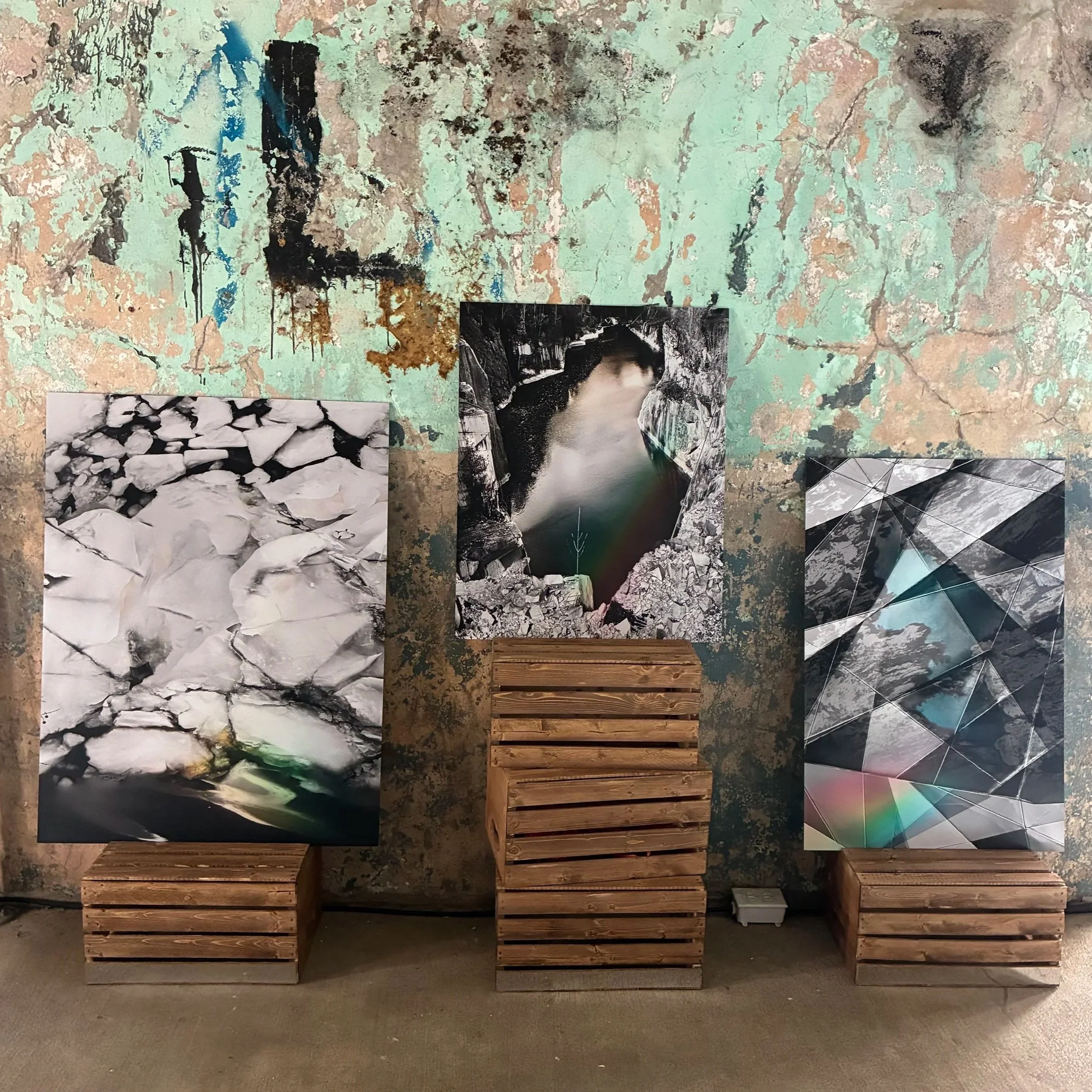
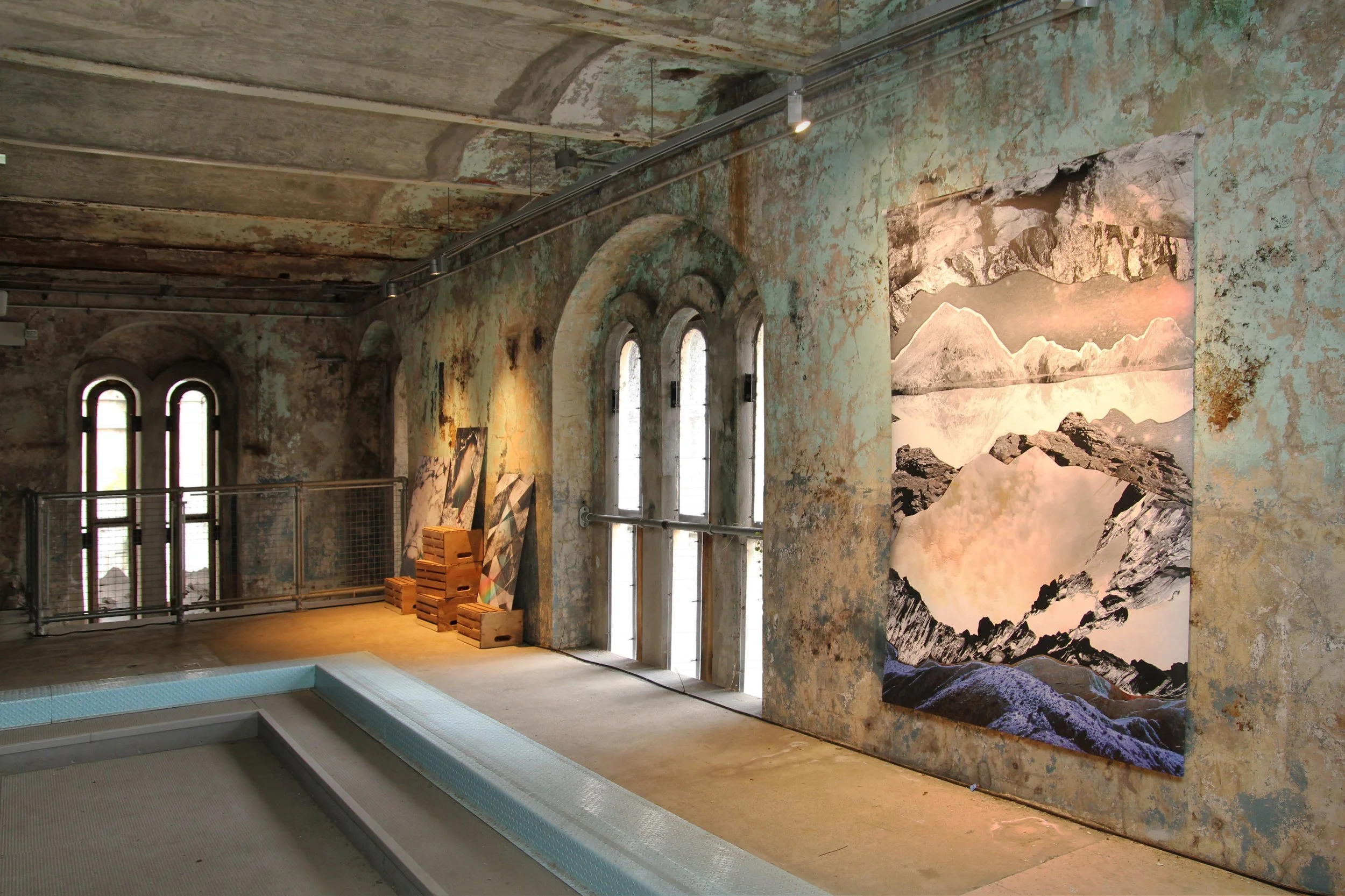
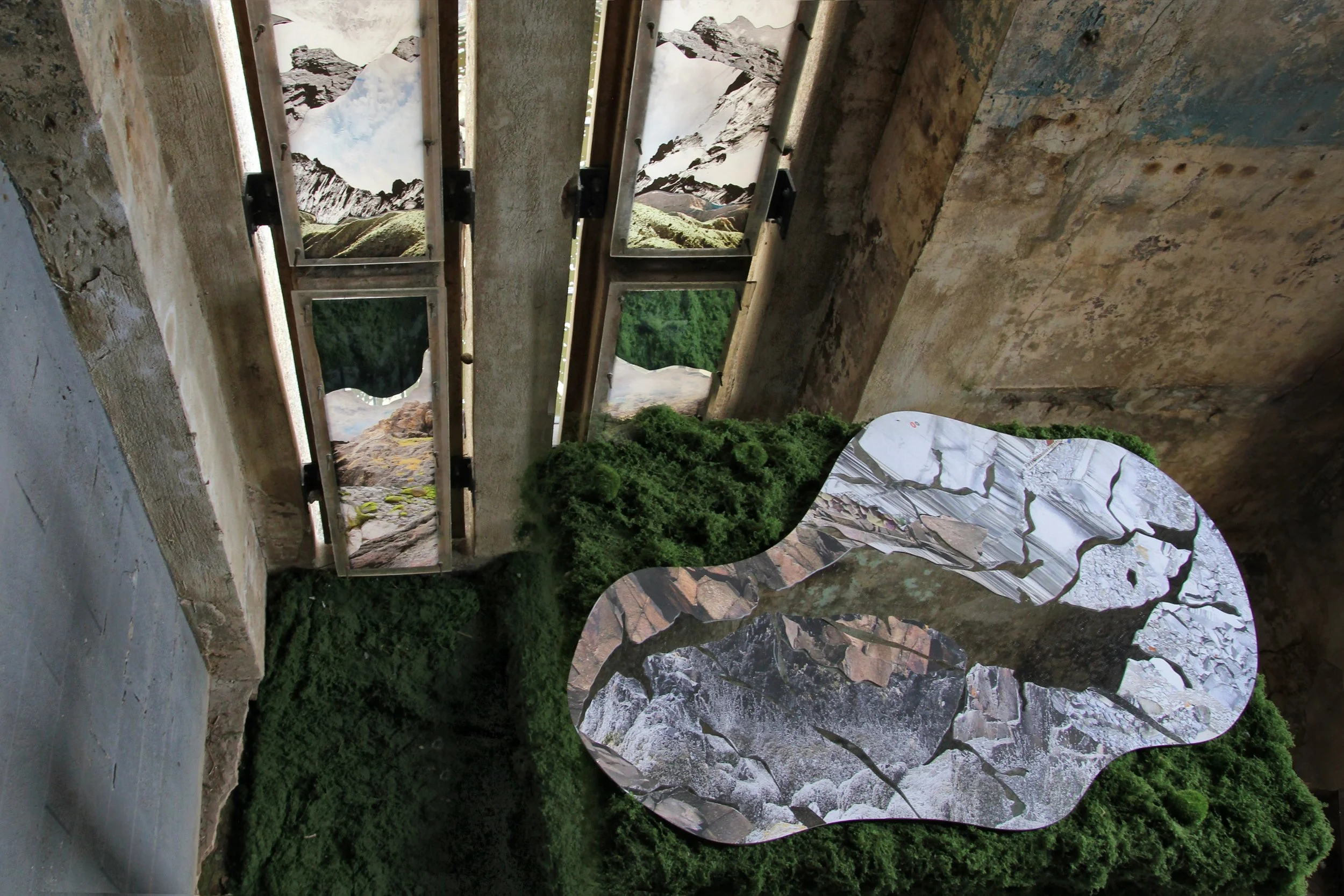
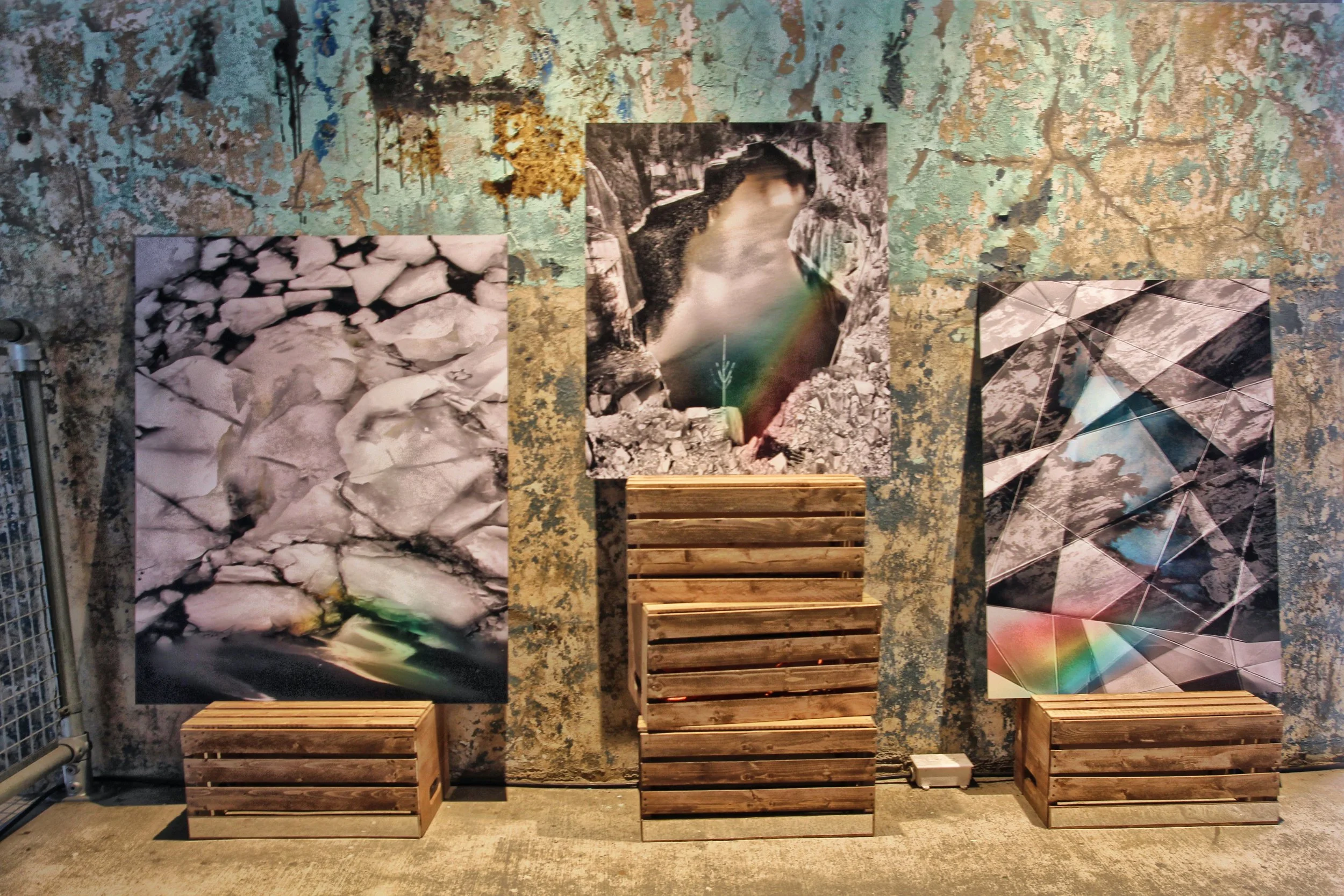
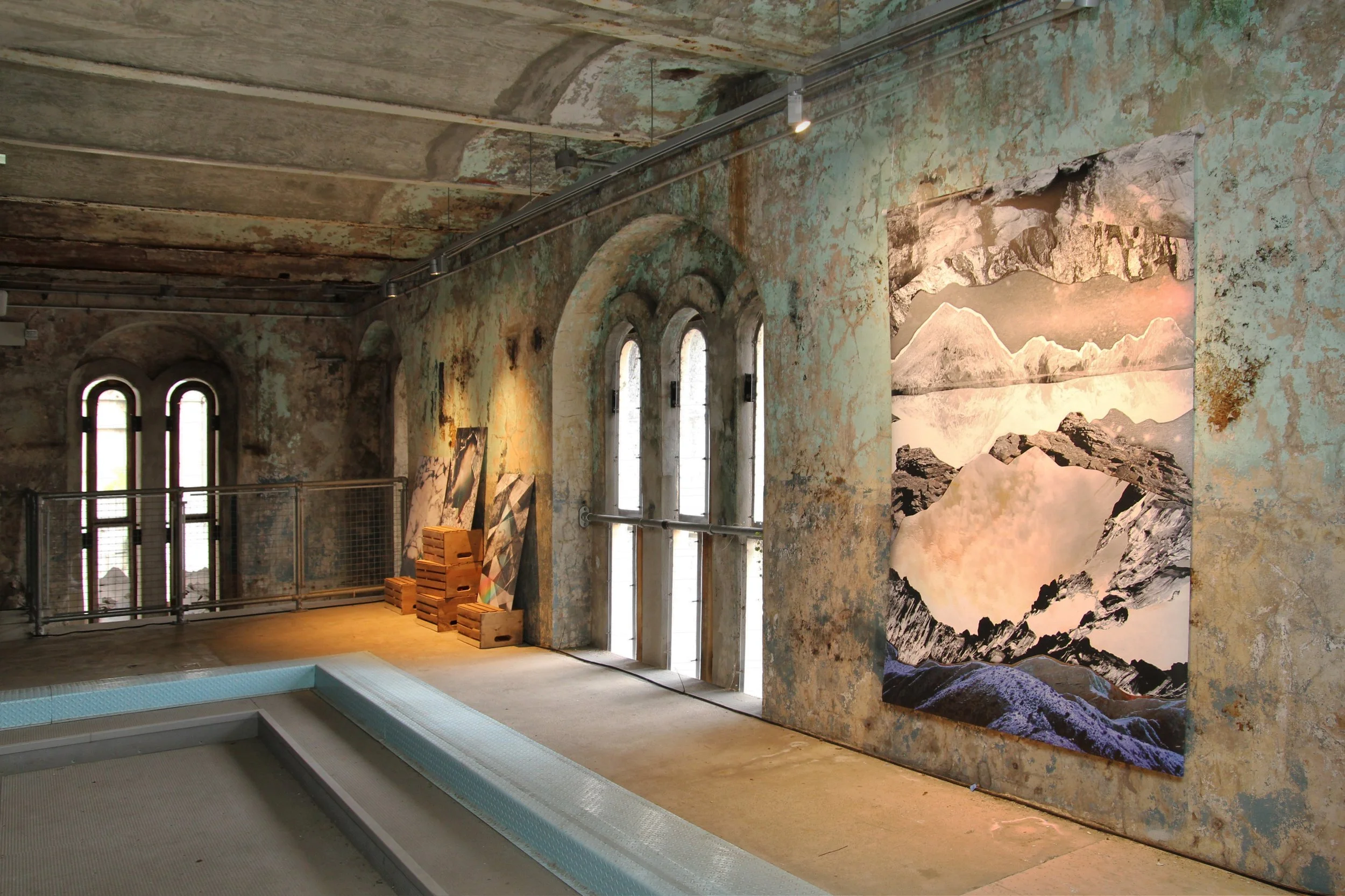
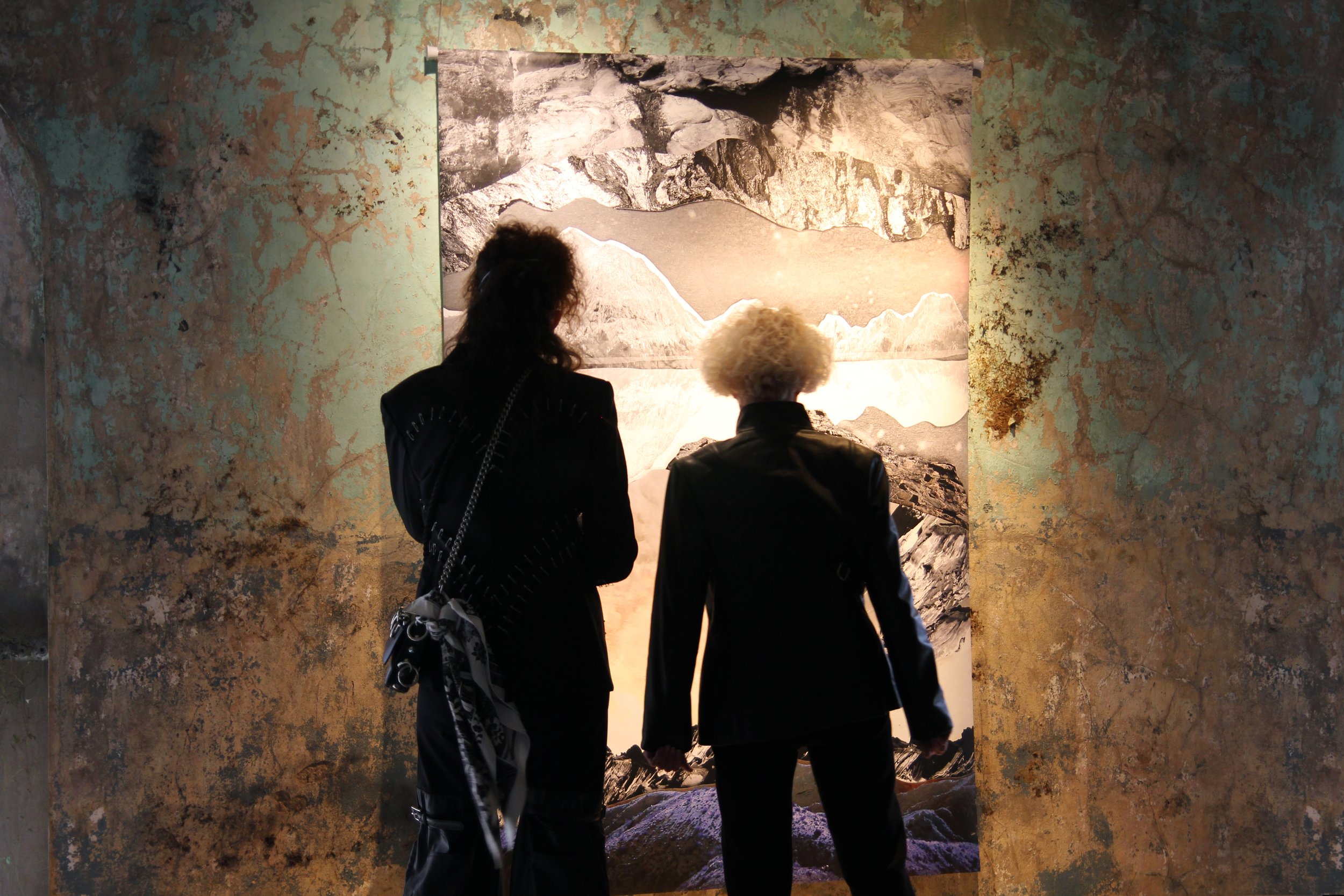
My photographic work explores the relationship between landscape, memory, and environmental change. My ongoing project, Geographical Lore, investigates geological formations and coastal waterways, using photographic images as source material that I print, cut, fold, layer, and re-photograph to create constructed environments. Through this iterative process, I examine the tension between documentation and invention, and the ways photography can transform from a record into a physical and symbolic object.

Bio

Julianna Foster is a Philadelphia artist and educator, her work has been exhibited nationally and internationally and featured in publications including Lenscratch, Create Magazine, Conveyor Magazine and the book, Constructed: The Contemporary History of the Constructed Image in Photography since 1990 published by Routledge Press. She is the recipient of a LensCulture Critics’ Choice Award. Foster has held teaching positions at institutions including Dartmouth College, Moore College of Art and former, University of the Arts where she earned the President’s Distinguished Teaching Award. Her practice is informed by research into geology, folklore, and environmental change, and reflects an ongoing interest in how landscapes shape, and are shaped by time, memory, and human presence.


Nadia Hironaka and Matthew Suib

Current History
Video projection on fabric; Continuous loop

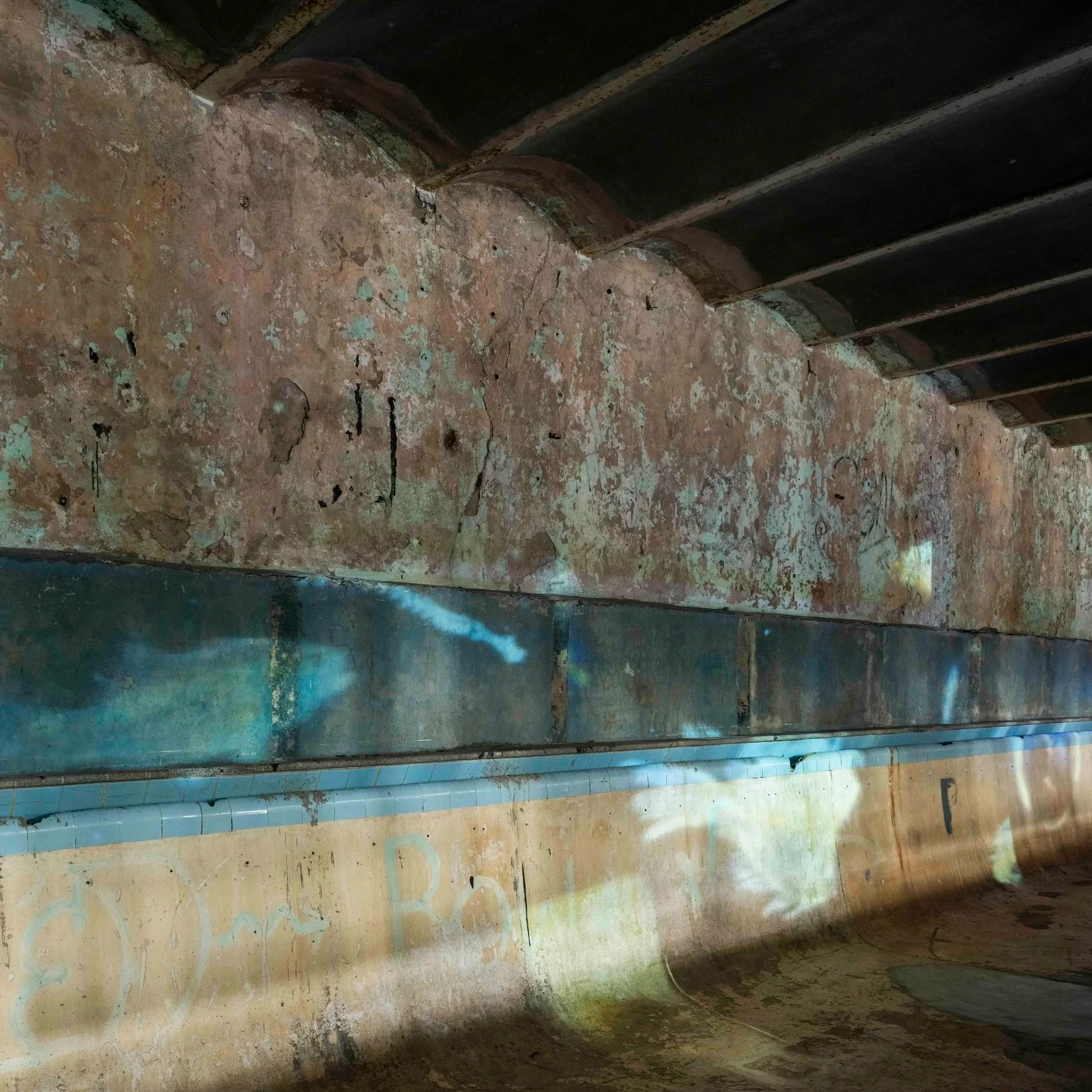
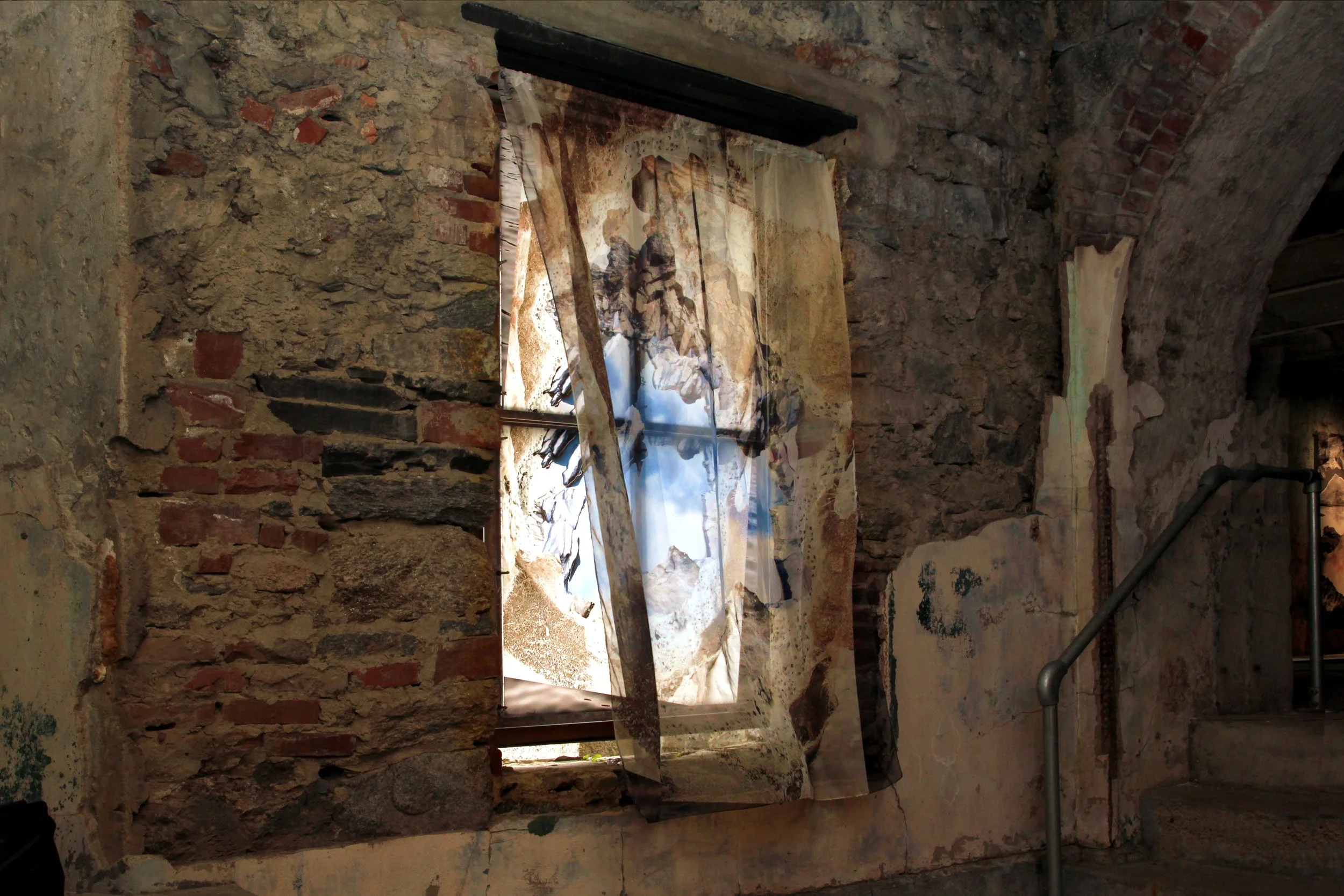
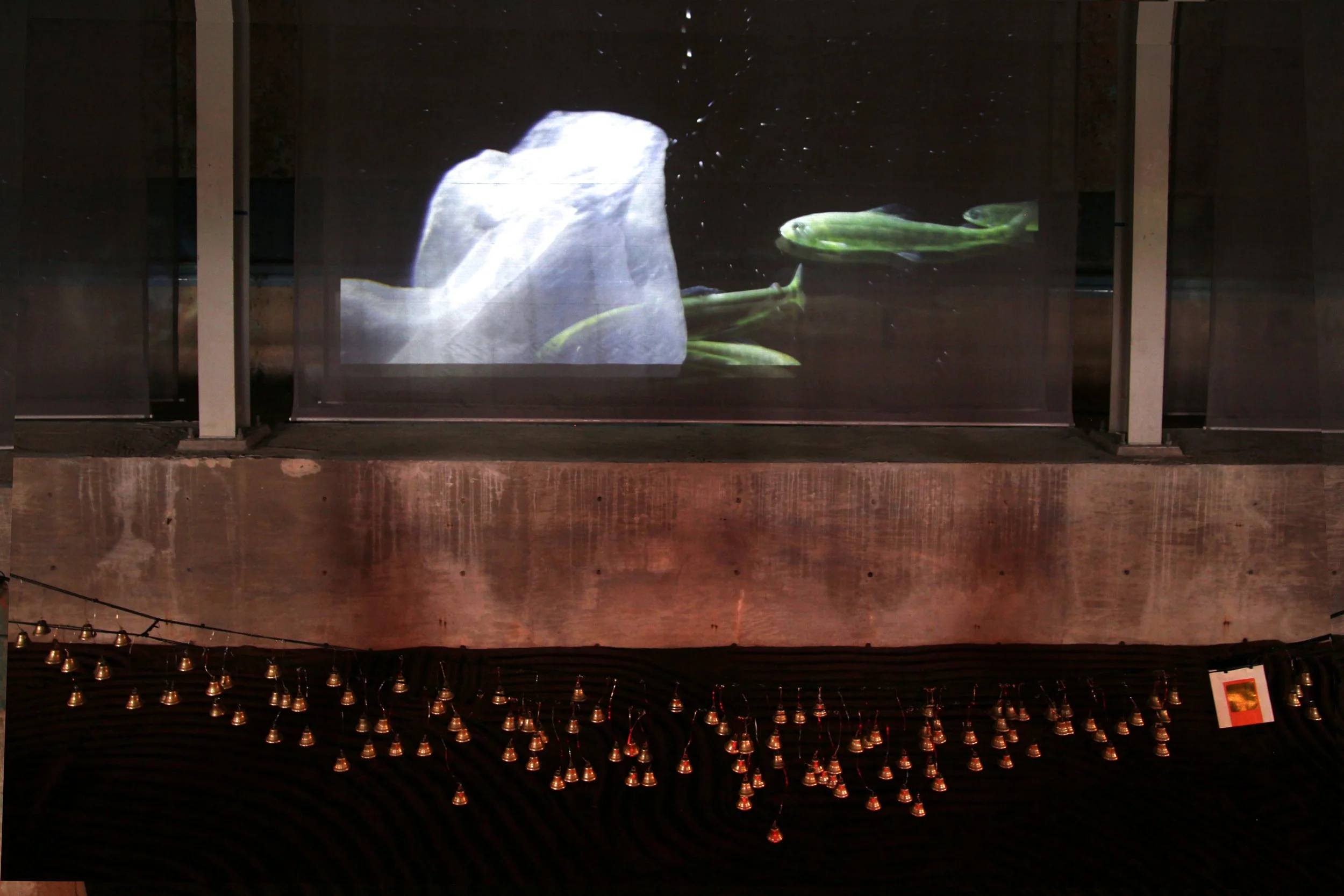
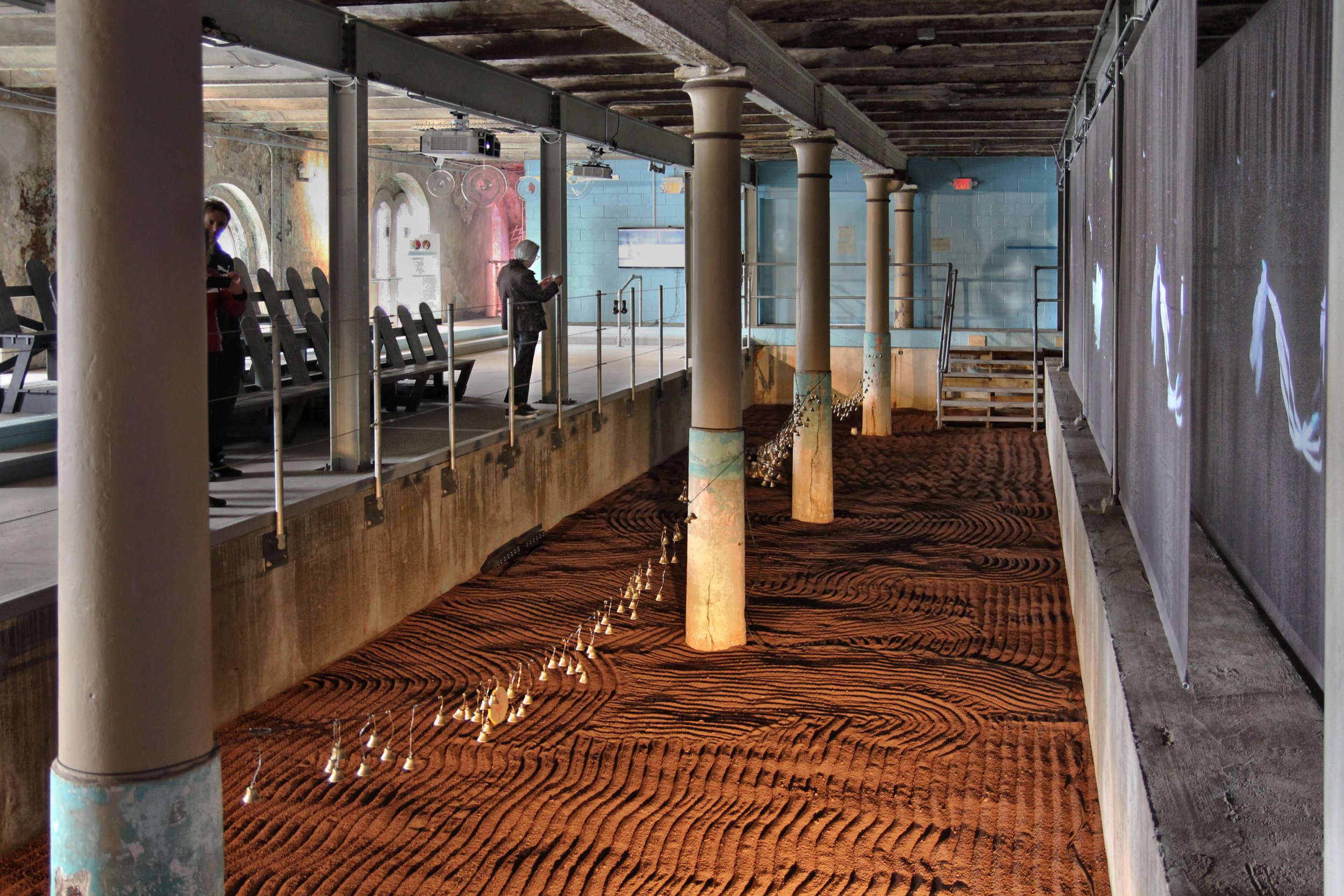
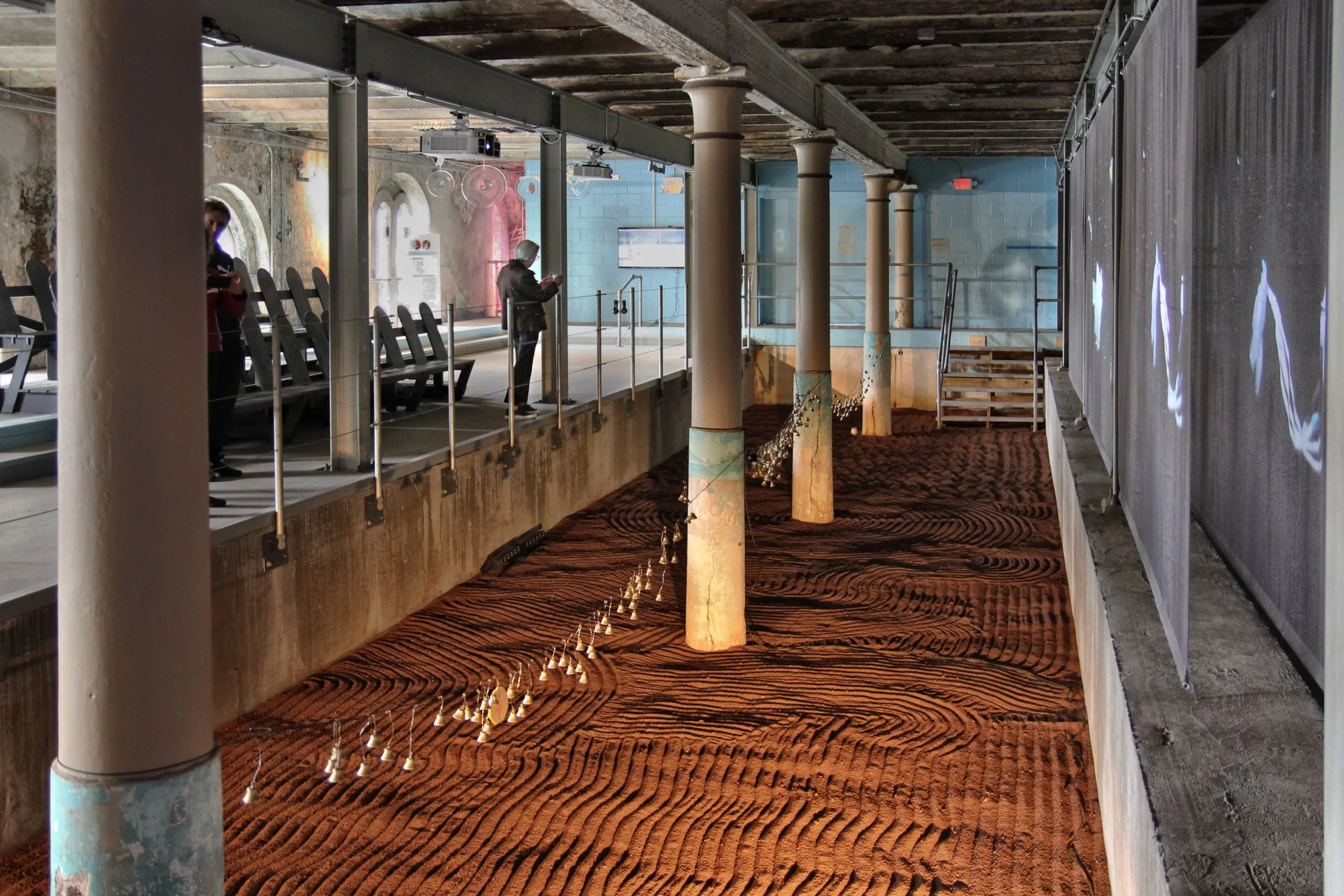
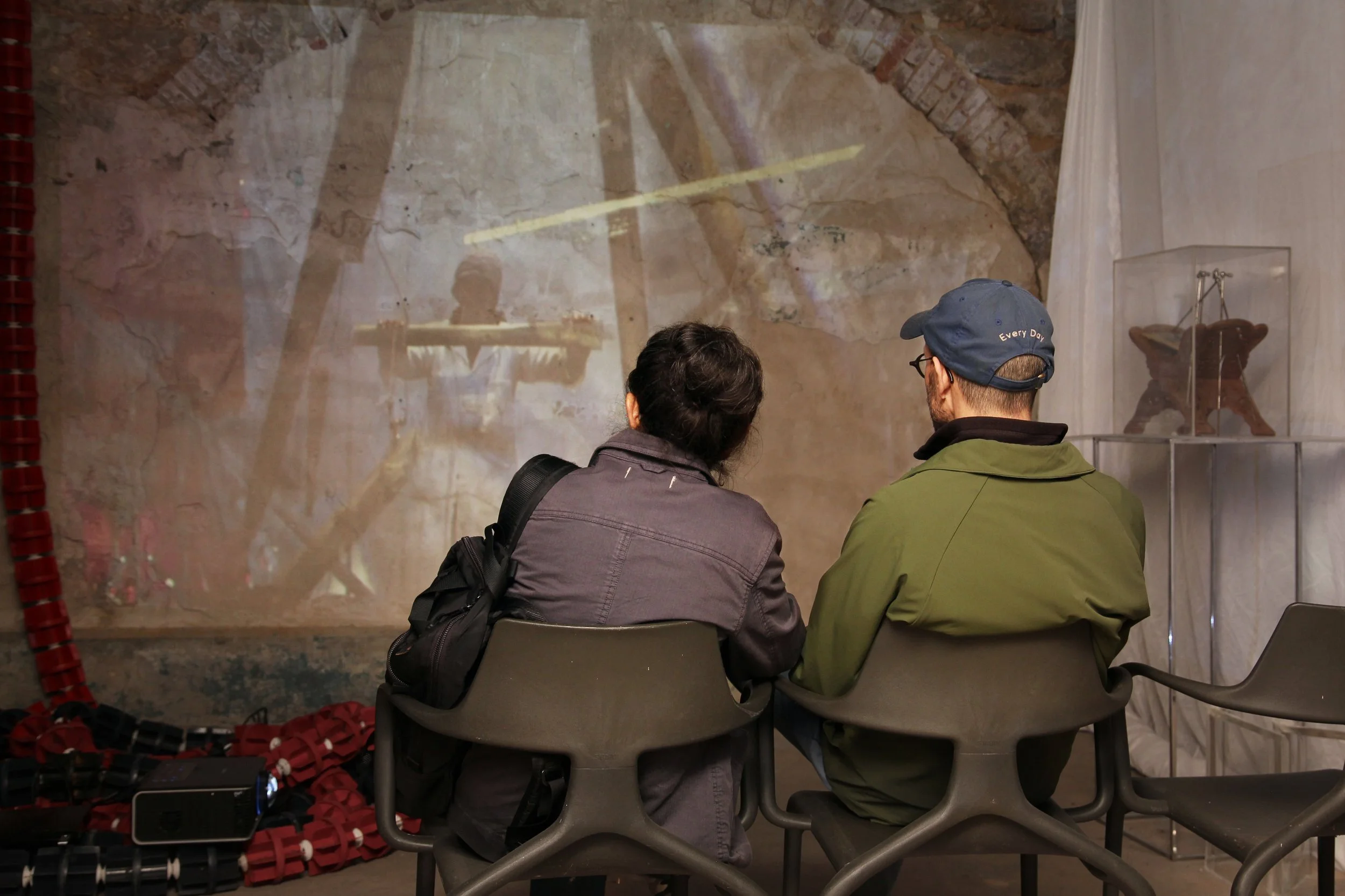
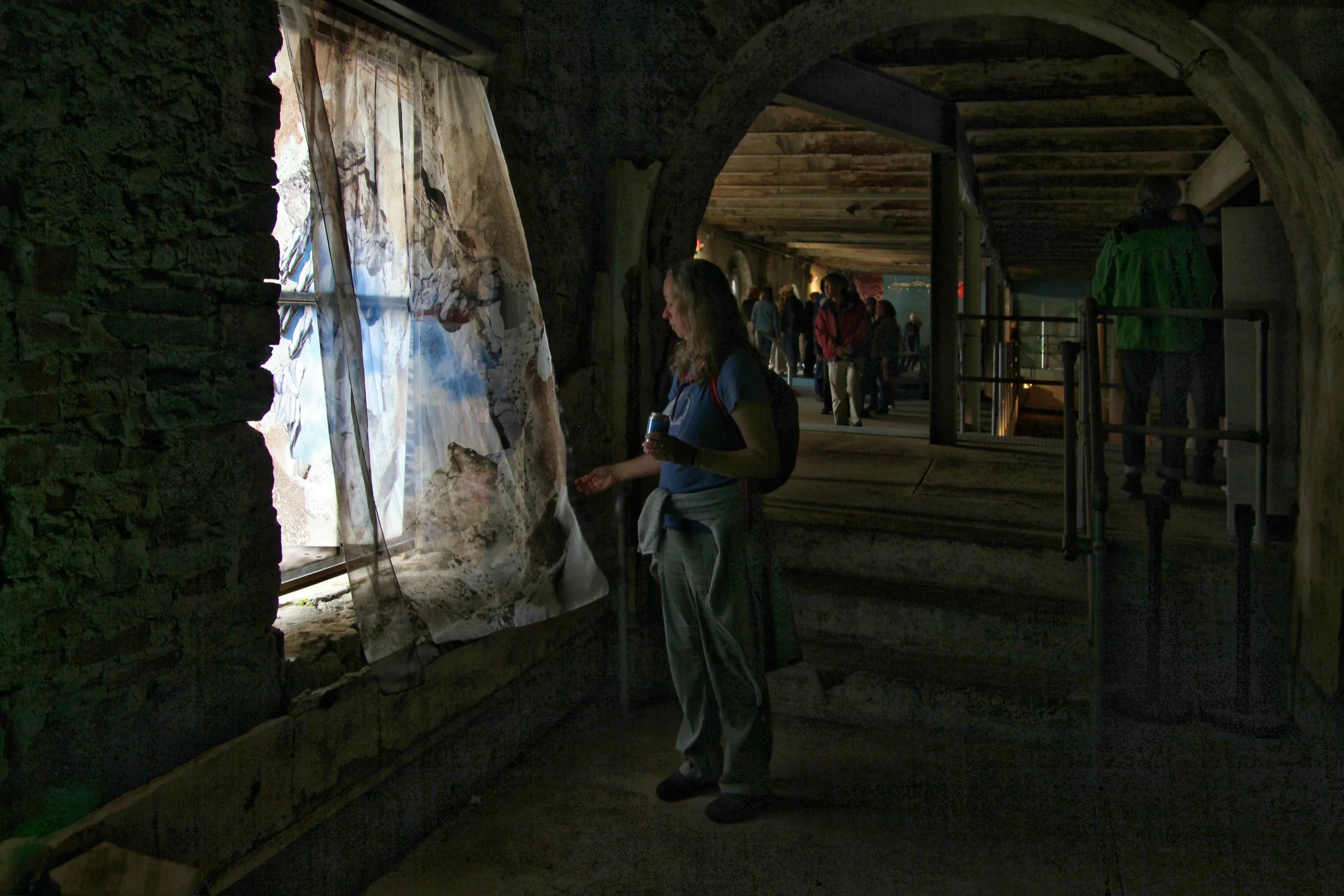
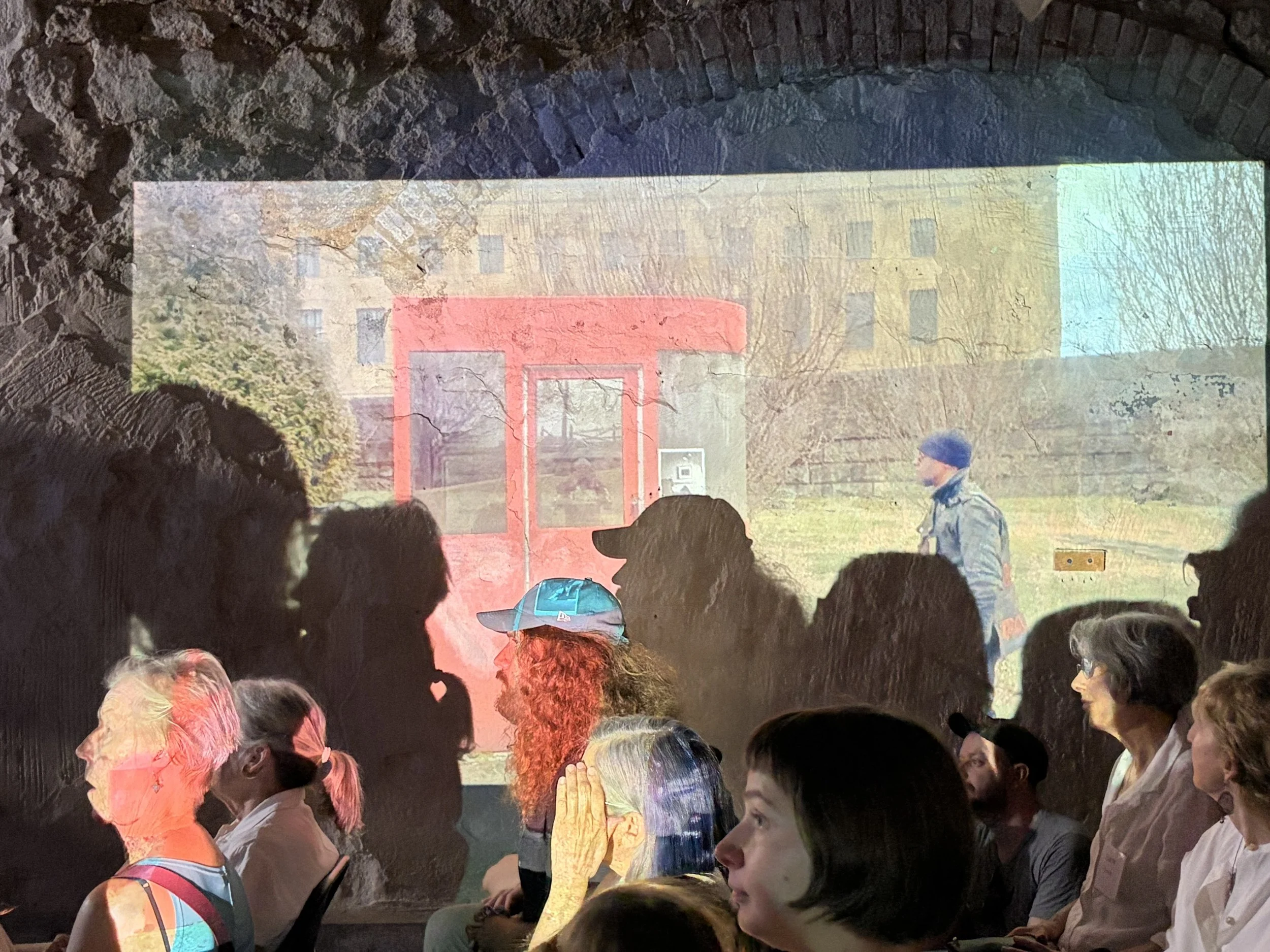
Created as a site-specific installation at Fairmount Water Works, Current History imagines the Schuylkill River that flows just outside of the Water Works’ historic walls as a timeline that connects the past, present and future. In the work, images projected onto translucent fabric flow across the screen, suggesting cultural and ecological transformations across two 250-year epochs. 

Exhibited in concurrence with the nation’s 2026 Semiquincentennial, Current History time-travels between the nation’s founding in 1776, our present moment, and the future Quincentennial in 2276, even as its lens remains fixed on the same body of water that snakes through the City. This temporal play appears as a kind of sample study, picturing singular objects that appear to float by viewers as if carried by the river’s current. As the piece progresses, the passage of time becomes clearer with each artifact washed downstream by the indifferent flow of the Schuylkill’s waters. 

Amidst the river current, sure signs of human activity flow by viewers. Surprisingly common historic river detritus such as firearms and antique chamber pots make high and low references to the first two-and-a-half American centuries in and around the river. The decapitated head of a statue commemorating a Viking explorer and other 20th. C. debris points to more contemporary sociopolitical tensions and environmental degradation. As the piece progresses, the work pictures a distant speculative future suggested by conversations with scientists working on the river today: robotic devices troll the riverbed free and clear of the previous signs of human life. This future scene alternately suggests a techno-utopian or a post-human world––each scenario containing a possible future manifestation of the social, environmental and political policies enacted today.

Bios

The Philadelphia-based artists Nadia Hironaka and Matthew Suib have been collaborators since 2008. They are recipients of several honored awards including a 2015 Guggenheim Foundation Fellowship, Pew Fellowships in the Arts and Fellowships from CFEVA and Pennsylvania Council on the Arts. Their work has been widely exhibited both domestically and abroad at venues including, Fondazione MAXXI (Rome), New Media Gallery (Vancouver), The Institute of Contemporary Art (Philadelphia), UCLA Hammer Museum, PS1/MoMA, Philadelphia Museum of Art and Arizona State University Art Museum. They have been artists-in-residence at the Headlands Center for the Arts, the Banff Centre, Marble House Project, Interlude and the Millay Colony for Arts. Matthew Suib is co-founder of Greenhouse Media and Nadia Hironaka serves as a professor of film and video and studio arts at the Maryland Institute College of Art. Hironaka & Suib are represented by Locks Gallery. The couple, along with their daughter and two cats reside in South Philly.


Eugene Lew

Forming on Empty

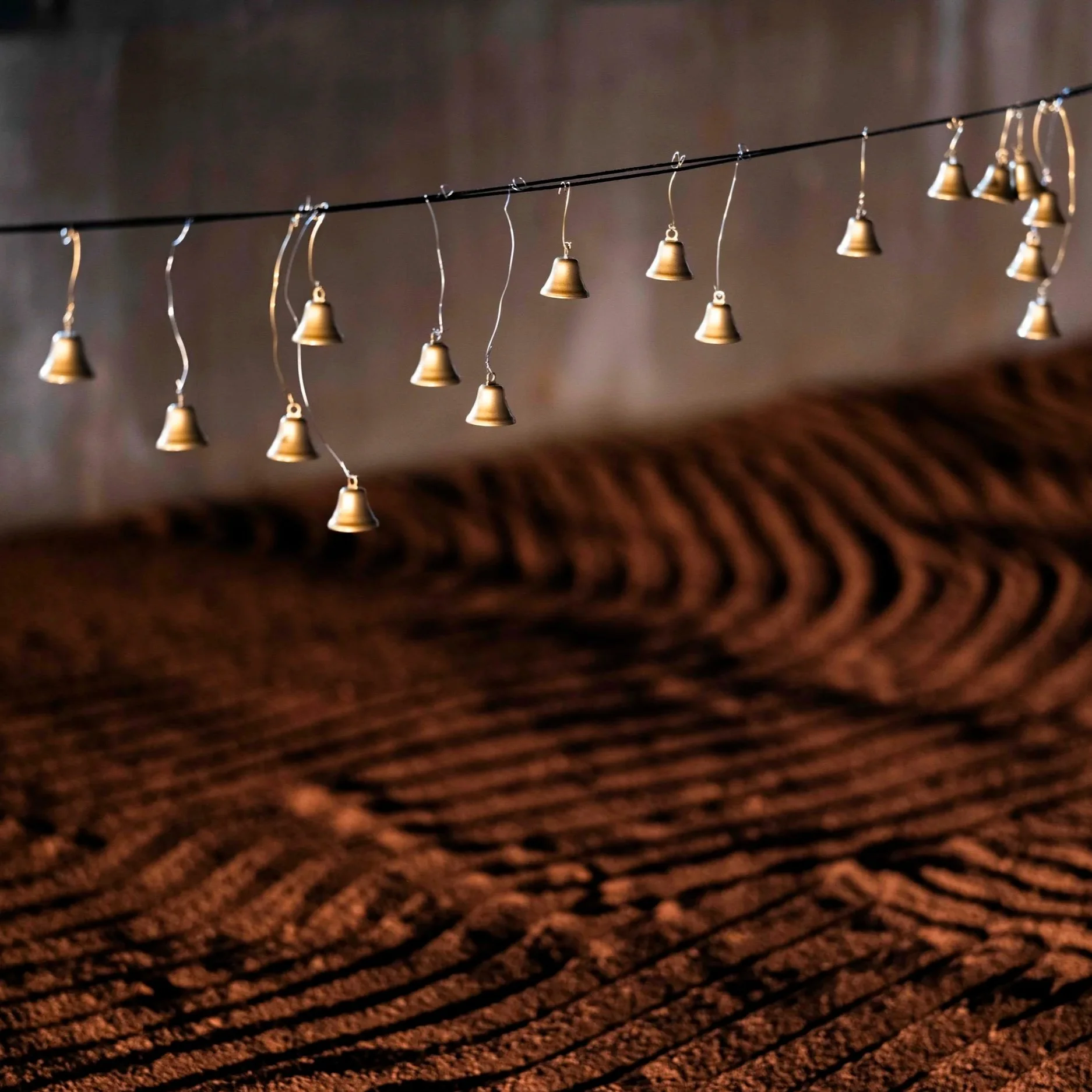
The Kelly Natatorium at the Fairmount Water Works sits adjacent to the Schuylkill River; the former a dulled and still mirror of the latter, where sunlight reflected upon the surface dances on the ceiling, and the rolling flow contrasts with concrete forms that once held water and people. The karesansui (dry landscape garden / 枯山水) mumbles suggestions of the river, allows us to visualize individual units of the composite, and to trace new patterns and paths in stone. The sounds below the surface visit us up above, and light on the water calls out clearly. The occasion of the semiquincentennial simultaneously conjures scattered blue historical markers and oozing lacunae. What is happening here? There are 250 rules for monastic life. A reward can be split four ways, and 250 incense burners were swallowed by the earth. Something’s going on that’s not quite clear. But from silence and emptiness, bells will ring to echo the passing of time, memories, and signal collective possibilities.

Bio

Eugene Lew is a guide, producer, educator, rock gardener, and organizer primarily engaged in performance, design, access, management, transformation, (attempted) capture, storage, and playback of shared IRL experiences – with a sound/music bias. The fleeting moment, aggregate independent decision-making, and stochastic phenomena are especially fascinating and vital to his practice and general existence. He welcomes serendipitous collaborations and treasures long-term partnerships that seek to navigate and explore the constant cycle of remembering-learning-forgetting-reconstructing.


Taji Ra’oof Nahl

Work of Water

And your Lord taught the Bee to build its cells in hills, on trees and in men’s habitations”
Sacred Quran -Surah Nahl 16, ayat 68

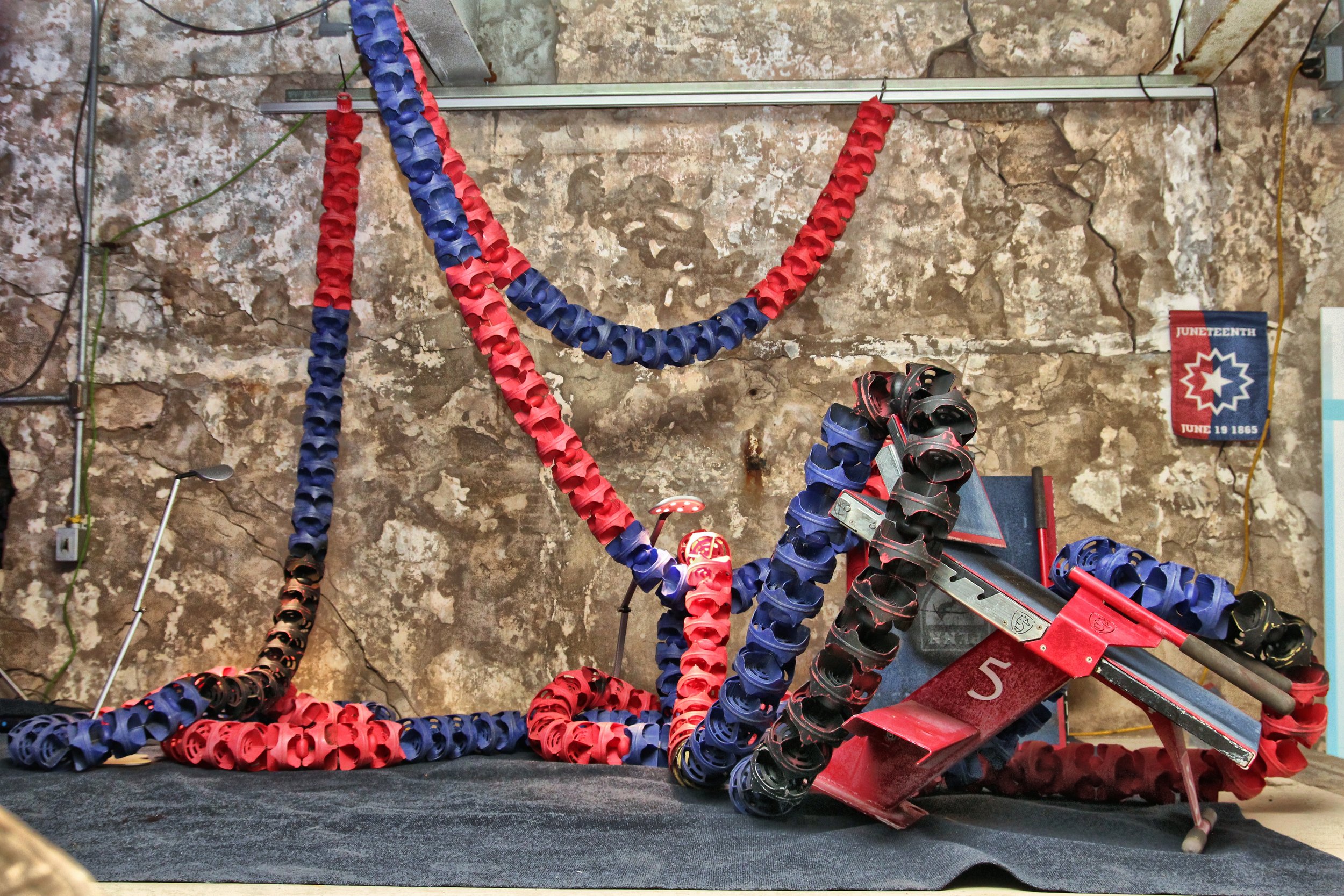
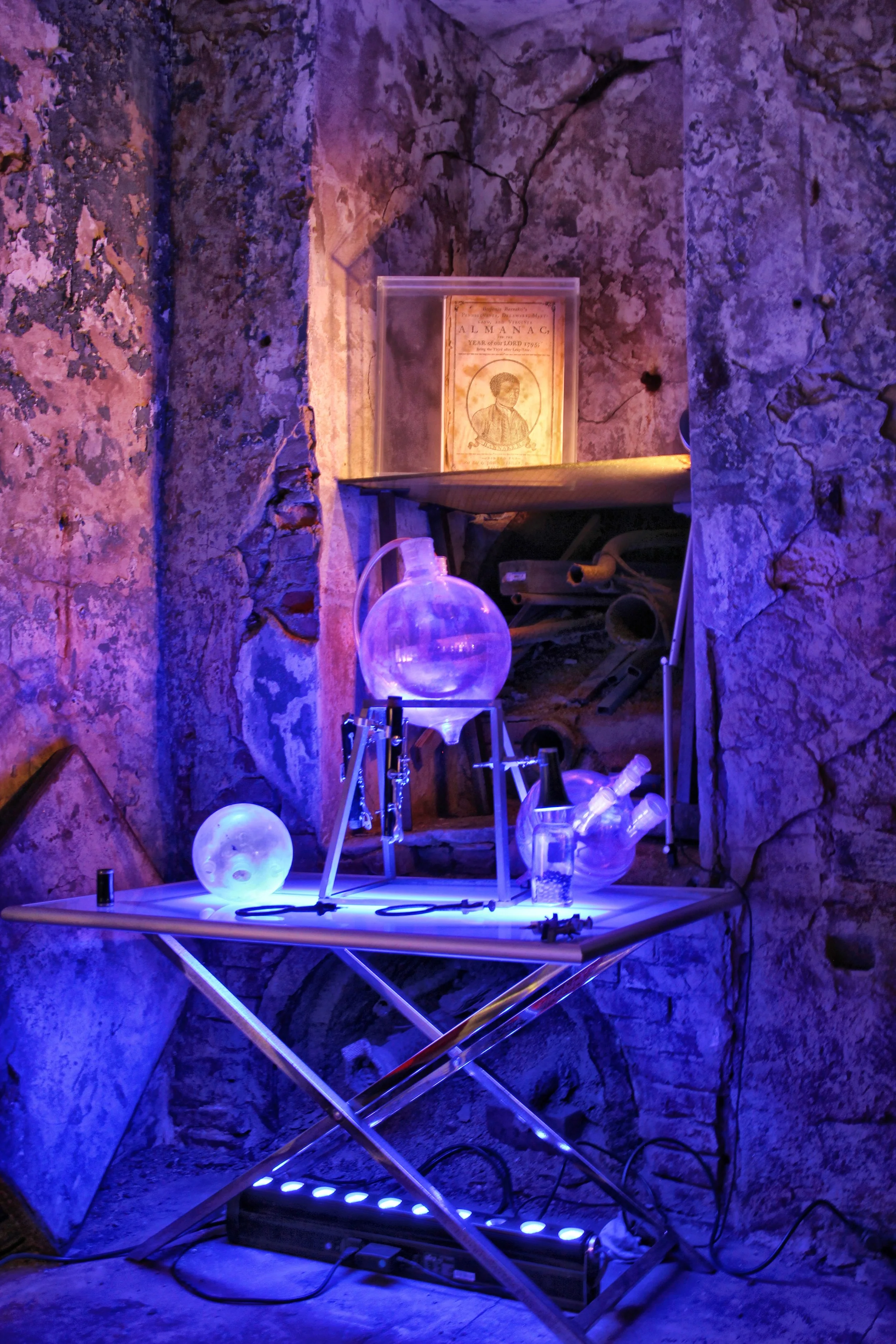
Work of Water operates as a logistical field station—a three-part installation distributed across the Fairmount Water Works. Structured as interconnected Outposts, the work functions as a social sculpture in which viewers move through a system of terrestrial measurement and celestial flow.

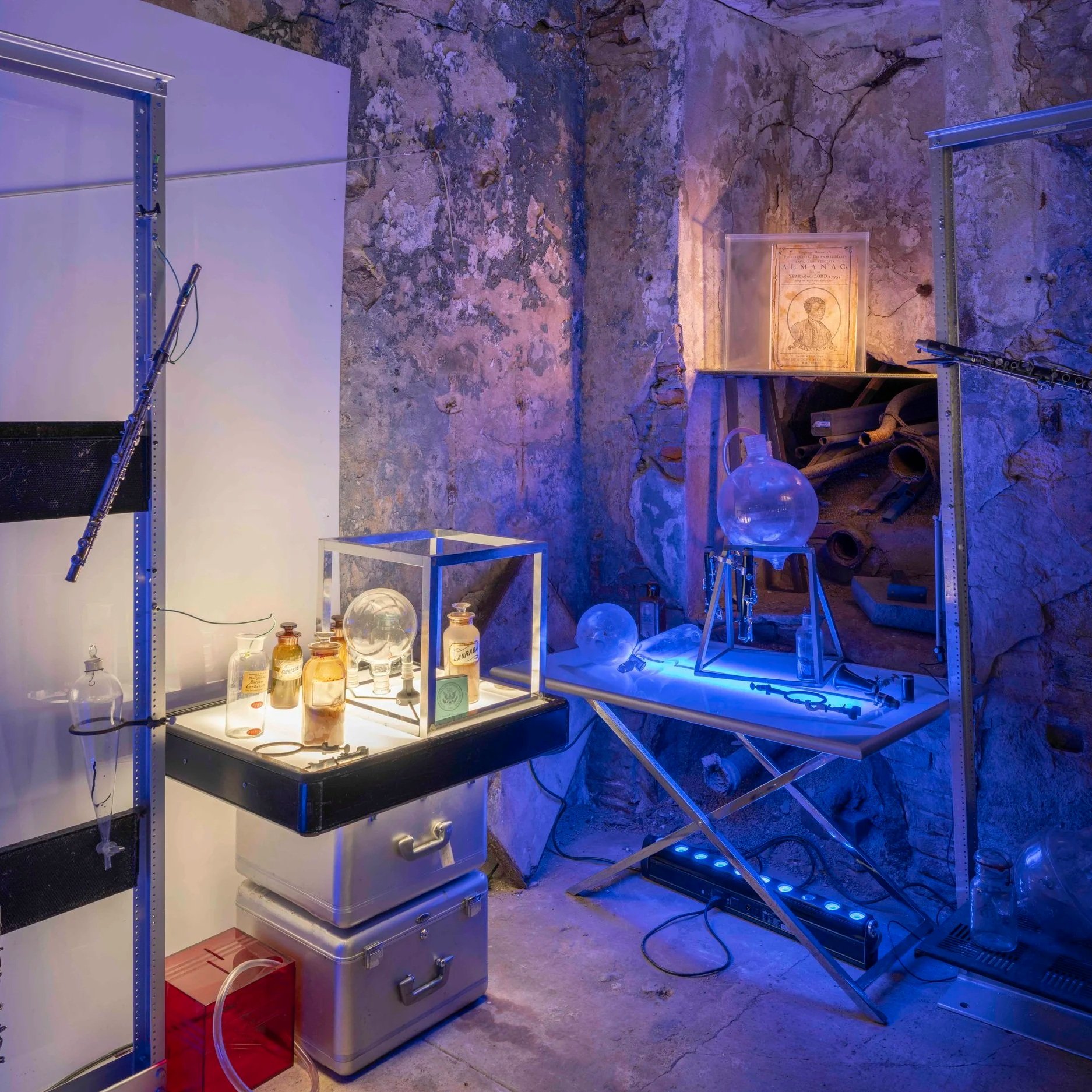
The site’s history as a hydraulic infrastructure is reconfigured as a knowledge system—one that channels observation, time, and civic intention. Anchored by Benjamin Banneker, the project recalibrates his almanac practice within this environment, positioning the Water Works as both instrument and subject.

Irrigation operates as the central principle: the directed movement of knowledge as Currents. Histories, observations, and sacred text circulate rather than remain fixed, shaped by conditions of flow, accumulation, and release.

Sculpture, sound, and moving image function as interdependent carriers within this system. Video Almanac sequences extend Banneker’s temporal logic into the present, while live sound translates environmental data into frequency.

Grounded in Qur’anic philosophy and informed by the stewardship of the Bee, the work advances a seven-phase continuum. The Outposts remain open instruments—structures for transmission—where form emerges through circulation between archive, atmosphere, and public encounter.

Bio

Taji Ra’oof Nahl (b. 1961, USA) is a conceptual  artist  working across sculpture, film, sound, and collective study. He is a 2024 Guggenheim Fellow in Fine Arts. He is the architect of the TR7 Ecosystem—an evolving platform that organizes installations, moving image, performance, and collaboration into a unified cultural infrastructure. His work operates through Field Trips, Video Almanacs, live scoring sessions, and staged productions that examine overlooked histories and the movement of knowledge through civic space.

Rooted in Qur’anic epistemology, Nahl advances a method he defines as artistic journalism, merging documentation, sound, and visual form to engage historical record and contemporary conditions.

Long-running initiatives include the Microfilm Festival, Renaissance Report Live, Ice Station Zero, The Other Sounds of Philadelphia, the Adam Vocabulary Club, and the 2Spiral Collective. Together, these platforms generate installations, films, sonic environments, and public activations that function as interconnected parts of a larger system.

His work has been presented in museums, universities, and civic contexts across the United States, establishing a durable model for collaborative inquiry, cultural stewardship, and public-facing knowledge production.